

Introduction
If you’ve ever walked into a room and felt something was “off” about the doors but couldn’t quite put your finger on it, there’s a good chance the door trim was the culprit. Door trim might seem like a minor detail, but it’s one of those finishing touches that can make or break the look of your interior spaces. It frames your doors, adds architectural character, and ties together your walls and flooring in ways you probably don’t even notice until it’s done wrong.
Whether you’re building a new home in Orlando, renovating a commercial property in Tampa, or just upgrading your interior doors, understanding door trim is essential. And if you’re in Florida, there are some specific considerations around humidity, material durability, and local building standards that make choosing the right trim even more important.
Let’s walk through everything you need to know about door trim, from the basics to the details that’ll help you make the best choice for your project.
What Is Door Trim and Why Does It Matter?
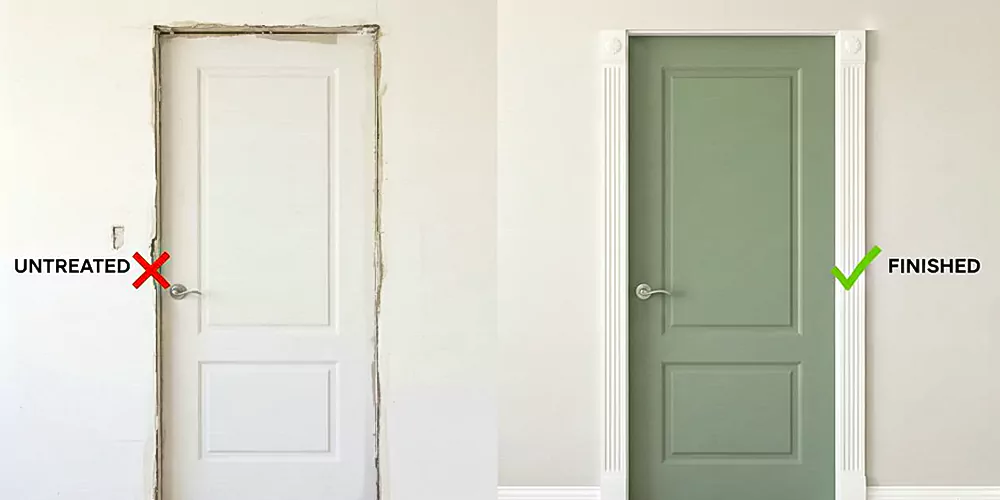
Door trim (also called door casing or door molding) is the decorative framing that surrounds your door on the interior side. It covers the gap between the door frame and the wall, hiding the rough edges of the framing and drywall while adding a finished, polished look to the room.
Think of door trim as the picture frame for your door. Just like a frame enhances artwork, good trim enhances your door and overall room design. But it’s not purely aesthetic. Door trim serves several practical purposes:
It hides construction gaps. When doors are installed, there’s inevitably a gap between the door frame (or jamb) and the surrounding wall. Trim covers this gap and any imperfections in the drywall or framing.
It protects the wall. High-traffic areas around doors take a beating. Trim acts as a buffer zone, protecting walls from scuffs, dings, and everyday wear.
It adds structural stability. While trim is primarily decorative, it does help secure the door frame to the wall studs and adds a small amount of structural support.
It defines architectural style. The profile and style of your door trim communicates a lot about your home’s design aesthetic, whether that’s modern minimalism, classic craftsmanship, or farmhouse charm.
In Central Florida, where most homes follow the Florida Building Code (FBC) 8th Edition standards rather than the stricter High-Velocity Hurricane Zone requirements, door trim plays an especially important role in managing the challenges of our climate. The right trim materials and installation methods help prevent issues with humidity, moisture intrusion, and the expansion and contraction that comes with our temperature swings.
Understanding Door Trim Components

Before we get into styles and materials, let’s break down the basic components you’ll encounter when talking about door trim:
Casing: This is the main trim piece that runs along the sides and top of the door frame. It’s what most people think of when they hear “door trim.” The casing can be flat, decorative, or somewhere in between.
Head Casing: This is the horizontal piece of trim that runs across the top of the door. Sometimes it matches the side casings exactly, sometimes it’s slightly different for visual interest.
Side Casings: The vertical pieces on both sides of the door. These typically match each other and often (but not always) match the head casing in style.
Plinth Blocks: Optional decorative blocks that sit at the bottom of the side casings where they meet the baseboard. These are more common in traditional styles and add a nice transition point.
Rosettes: Corner blocks, usually square or circular, that can be used at the top corners where the side casings meet the head casing. These simplify corner joinery and add decorative detail.
Reveal: This isn’t actually trim, but it’s worth knowing. The reveal is the small edge of the door jamb that shows between the door and the casing. It’s typically about 1/8 to 1/4 inch and creates a subtle shadow line that adds depth.
Understanding these components helps when you’re ordering materials or talking with contractors. You might find that mixing components (like using plinth blocks with simpler casing profiles) gives you the exact look you want.
Popular Door Trim Styles and Profiles

Door trim style is where personal preference and architectural compatibility come together. The profile you choose sets the tone for the entire room. Here are the most popular options you’ll see in Florida homes and commercial spaces:
This is probably the most common residential door trim in America. Colonial casing features a rounded or slightly ogee profile that's simple but elegant. It works well in traditional homes, ranch-style houses, and just about anywhere you want a classic look without being too formal.
The beauty of colonial trim is its versatility. It's detailed enough to add visual interest but simple enough not to compete with other design elements. In Central Florida, you'll see this style in everything from 1970s ranch homes to newer subdivisions. It's the safe choice that almost always works.
Craftsman trim brings that Arts and Crafts aesthetic with flat, wide boards and simple, clean lines. This style typically features a flat casing with a small backband (an additional thin piece of molding along the outside edge) that adds subtle dimension.
If you're going for that bungalow look or want something with more visual weight than colonial trim, craftsman is your answer. It pairs beautifully with 5-panel doors, natural wood finishes, and built-in shelving. We see a lot of interest in craftsman trim in Orlando and Tampa neighborhoods with historic character.
Modern door trim strips everything down to the essentials. Think flat boards with square edges, minimal (or zero) decorative profiles, and clean geometric lines. Sometimes it's as simple as a flat 1x4 board painted to match the walls.
This style works perfectly in contemporary homes, lofts, and commercial spaces with modern architecture. It's also the most forgiving style for DIY installation since there are no complex angles or profiles to match at the corners.
In newer Florida developments, especially condos and townhomes, you'll often find this minimalist approach. It's cost-effective, clean, and never goes out of style.
On the opposite end of the spectrum, Victorian trim features elaborate profiles with multiple curves, beads, and decorative elements. This is heavy, statement-making trim that suits historic homes or anyone who wants that formal, traditional aesthetic.
These profiles require more skill to install properly, especially at the corners where miters need to line up perfectly. But when done right, they're stunning. You'll occasionally see this in restored historic homes in areas like Ybor City or downtown St. Petersburg.
Farmhouse trim typically features wider, flat boards (often 3.5 to 5.5 inches) with a simple, substantial look. It's similar to craftsman in its clean lines but tends to be even wider and more prominent.
This style pairs beautifully with shiplap walls, barn doors, and other rustic elements. The wider profile makes a bold statement and creates strong shadow lines that add depth to your walls. It's become increasingly popular in Florida as farmhouse style has taken off nationwide.
Door Trim Material Options for Florida

Material selection is critical in Florida. Our high humidity, temperature fluctuations, and coastal salt air (for properties near the water) all take a toll on building materials. Here’s what works best:
MDF is the most popular choice for painted trim in Florida homes. It's affordable, easy to work with, and takes paint beautifully. Modern MDF is engineered to be moisture-resistant, though it's not waterproof.
The main advantages of MDF are cost and consistency. There are no knots, grain patterns, or imperfections to deal with. When primed and painted properly, MDF trim looks great and holds up well in interior applications.
However, MDF isn't ideal for high-moisture areas or anywhere it might get wet regularly. It will swell and deteriorate if exposed to water. For interior door trim in climate-controlled spaces, though, it's an excellent choice.
Pine remains a popular choice for stained or natural wood trim. It's affordable, readily available, and easy to work with. Clear pine (without knots) creates beautiful trim when stained, while knotty pine offers a more rustic look.
In Florida, the main concern with pine is humidity. Softwood expands and contracts with moisture changes, which can lead to gaps in joints and cracking in paint. If you're using pine, proper sealing and climate control are essential.
Hardwood trim offers superior durability and beautiful natural grain patterns. Oak is the most common hardwood for trim, followed by maple and cherry. These materials are more stable than pine and hold up better to Florida's humidity when properly finished.
The downsides are cost and weight. Hardwood trim costs significantly more than MDF or pine, and it's heavier to work with. But if you want that classic wood look with better longevity, hardwood is worth considering, especially for commercial applications where durability matters.
These synthetic materials offer the best moisture resistance available. They won't rot, swell, or deteriorate in humid conditions. Polyurethane trim can be molded into elaborate profiles that would be difficult or expensive to mill from wood.
PVC trim is typically used in exterior applications, but it can work for interior use where moisture is a concern. The main drawback is that synthetic trim feels different from wood (it's lighter and somewhat hollow), and some people find it less aesthetically pleasing.
This is pine trim that's been assembled from shorter pieces joined together with interlocking "fingers." It comes pre-primed and is ready to paint. Finger-joint trim is more stable than solid pine because the joints prevent long-term warping.
This is another popular choice for painted trim in Florida. It costs more than MDF but less than solid clear pine, and it's more dimensionally stable than either option.
Choosing Door Trim for Your Florida Project

Here’s where we get practical. How do you actually choose door trim for your specific situation?
Your trim should complement your home's overall design. A mid-century modern ranch doesn't need Victorian trim, and a Mediterranean-style home probably shouldn't have ultra-minimalist flat casing.
Look at the existing trim in your home (if you're renovating) or research similar homes in your area. There's a reason certain styles became popular in certain eras and regions. They work.
Door trim should relate to your baseboard height and style. If you have substantial 5-inch baseboards, you probably want casing that's at least 2.5 to 3.5 inches wide. If your baseboards are simple and modern, your door casing should follow suit. Interior door moulding types can help you understand how different trim profiles work together throughout a space. The goal is creating a cohesive look where all your trim elements feel intentional and related.
Some trim profiles are much easier to install than others. If you're DIYing, simpler profiles with clean miters will save you headaches. Complex profiles with multiple curves require more precision and specialized cutting equipment.
Also consider whether you want to use rosettes or plinth blocks, which can eliminate the need for precise miter cuts at corners. This is a common approach in craftsman-style homes and makes installation more forgiving.
Painted trim will need repainting eventually. Stained wood needs occasional refinishing. MDF is easy to touch up with paint, while damaged wood trim might require sanding and refinishing.
In Florida's climate, maintenance is inevitable. Choose materials and finishes that you're willing to maintain over the long term, or opt for more durable synthetic materials if low maintenance is a priority.
Door trim costs vary widely based on material, profile complexity, and whether you're hiring professional installation. MDF casing might cost $0.50 to $1.50 per linear foot, while hardwood can run $3 to $8 per linear foot or more.
Factor in your entire project. If you're trimming out every door in a 2,000 square foot home, you might need 300 to 400 linear feet of casing. That adds up quickly with premium materials.
Professional installation typically costs $2 to $6 per linear foot for labor, depending on complexity. A skilled carpenter can make even basic trim look great, while poor installation will make expensive trim look cheap.
Installation Basics and Best Practices

While we always recommend professional installation for best results, understanding the installation process helps you make informed decisions and know what to expect.
Door trim only looks good if it's installed around a properly set door frame. The frame needs to be plumb, level, and securely fastened to the wall studs. Any issues here will show in the trim work.
In Central Florida projects, where we follow Florida Building Code standards, proper door and frame installation includes attention to weatherproofing (even for interior doors) and ensuring adequate clearances. If you're working with exterior door frames, the standards are even more specific regarding wind resistance and water infiltration.
Before cutting any trim, determine your reveal (the small edge of the door jamb that will show between the door and the casing). A 3/16-inch reveal is standard, though some carpenters prefer 1/8 inch or 1/4 inch.
Mark this reveal line around the entire door frame. This is your guide for positioning the casing. Consistent reveals create those crisp shadow lines that make trim look professional.
Most door trim joints use 45-degree miter cuts where the head casing meets the side casings. This creates seamless corners where the profile continues around the corner without interruption.
Getting tight miters requires accurate cutting and sometimes minor adjustments. Gaps at miters are the most common sign of amateur trim work. Professional installers have tricks for closing up gaps, including slightly adjusting the angle or using coping techniques.
Trim should be nailed to the door frame itself and to the wall studs behind the drywall. This ensures it stays put and doesn't develop gaps over time.
Most installers use a combination of finish nails or a pneumatic nail gun. Nail holes are then filled with wood filler or caulk and touched up with paint or stain.
After installation, any small gaps between the trim and the wall should be caulked. This creates a seamless look and prevents dust and insects from getting behind the trim.
For painted trim, caulk is your friend. It hides imperfections and creates crisp lines. For stained trim, minimize the need for caulk through precise cutting and fitting.
Door Trim Costs in Central Florida
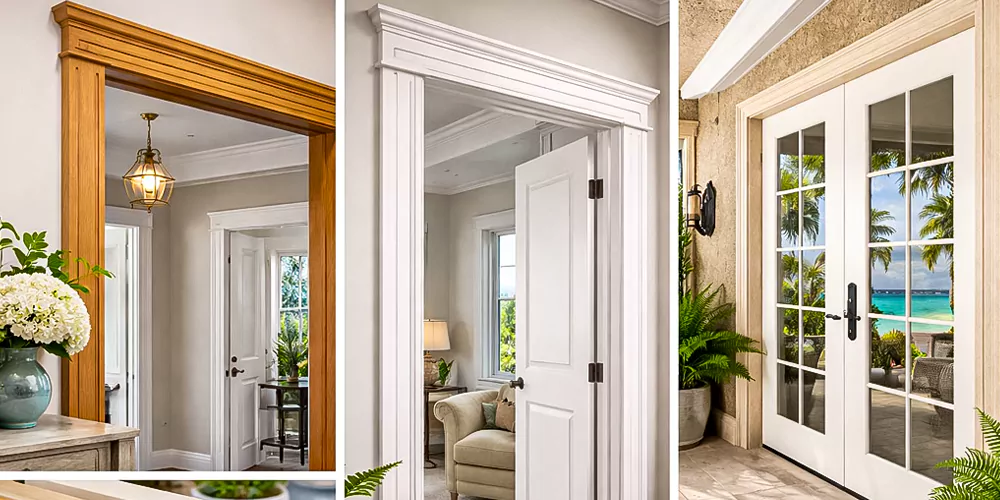
Let’s talk numbers. What should you actually expect to pay for door trim in the Orlando, Tampa, or Central Florida region?
- MDF casing: $0.50 to $1.50 per linear foot
- Finger-joint pine (primed): $1 to $2.50 per linear foot
- Pine (solid, clear): $2 to $4 per linear foot
- Hardwood (oak, maple): $3 to $8 per linear foot
- Polyurethane (decorative): $2 to $10 per linear foot depending on profile
These are typical retail prices at building supply stores in Florida. Contractors often get better pricing through their suppliers.
Professional installation runs $2 to $6 per linear foot for labor, with an average around $3 to $4 per linear foot for standard profiles. Complex profiles, custom work, or challenging installations (like very high ceilings) cost more.
Many contractors charge per door opening rather than by linear foot. Expect to pay $75 to $200 per door opening for complete trim installation, including materials and labor, for standard residential work.
Single door with standard MDF casing: $100 to $175 (materials and labor)
Entire home with 15 door openings, MDF casing: $1,500 to $2,500
Entire home with 15 door openings, hardwood casing: $3,000 to $5,000
Commercial project with 50 door openings, finger-joint pine: $5,000 to $8,500
These estimates assume straightforward installation in typical conditions. Custom work, repairs to existing framing, or accessibility challenges can increase costs.
Common Door Trim Mistakes to Avoid

Having worked with hundreds of door projects in Central Florida, we’ve seen every mistake possible. Here are the ones to watch out for:
When the reveal (that small edge of the jamb showing between the door and the casing) varies around the door, it looks sloppy. Take time to mark consistent reveals before cutting.
Gaps at miter joints scream amateur hour. Make sure your saw is calibrated correctly and take the time to fit joints properly. Small gaps can often be filled and hidden, but large gaps are hard to fix.
Using MDF in areas prone to moisture (like laundry rooms or bathrooms in homes without great ventilation) leads to swelling and deterioration. Match your material to the environment.
I drywall.
Trim that isn't properly secured will eventually work loose and develop gaps. Make sure you're hitting solid wood (studs or the door frame itself), not just drywall.
If your house has colonial-style baseboard and window trim, your door trim should follow suit. Mixing styles only works if it's clearly intentional and well-executed.
If you're painting new wood trim, primer is essential. It prevents tannins from bleeding through, helps paint adhere better, and ensures even color coverage.
While it's possible to paint trim after installation, it's much easier to pre-paint or pre-stain trim before it goes up. You get better coverage and cleaner edges, and you can avoid taping off walls and floors.
Special Considerations for Commercial Door Trim in Florida

Commercial projects have different requirements than residential work. Here’s what matters in commercial applications:
Commercial spaces see far more traffic and abuse than homes. Trim needs to be more durable, which often means hardwood, polyurethane, or other tough materials rather than MDF or pine.
Commercial projects in Central Florida must follow Florida Building Code 8th Edition standards. While trim isn't typically a code-restricted item, the doors and frames you're trimming out certainly are.
In Wind-Borne Debris Regions (which includes Orlando and most of Central Florida), all exterior doors must be impact-resistant or protected by an impact-resistant covering. These doors need proper installation and finishing, including trim work that doesn't compromise their performance.
Look for doors with Florida Product Approval (FLPA) numbers certified for use outside the High-Velocity Hurricane Zone. If you need the stricter Miami-Dade Notice of Acceptance (NOA) certification, that works throughout Florida as well.
The Americans with Disabilities Act has specific requirements for door hardware placement and maneuvering clearances. While trim doesn't directly affect ADA compliance, improperly installed trim that reduces clearances can create issues.
In commercial buildings, fire-rated door assemblies are common. When trimming fire-rated doors, the trim itself doesn't usually need to be fire-rated, but the installation can't compromise the door assembly's rating.
Commercial property owners care deeply about maintenance costs. Choose trim that will last and that can be easily repaired or refinished without major disruption to operations.
Working with a Florida Door Supplier

When you’re ready to move forward with a door trim project, working with a knowledgeable local supplier makes everything easier.
At Titan Florida Doors, we work with contractors and property owners throughout Central Florida on both commercial and residential door projects. While door trim is just one piece of the puzzle, we understand how it fits into the bigger picture of door selection, proper installation, and long-term performance in Florida’s climate.
Our team can help you source the right materials, connect with experienced installers, and ensure your door trim project complies with Florida Building Code requirements. Whether you’re building a new development, renovating an office complex, or upgrading your home’s interior, we’re here to help with the door-related components of your project.
We work with general contractors, commercial project managers, facility managers, and homeowners across the Orlando area and throughout Central Florida. Our focus on door specialization means we bring deep expertise to every project, and we’re familiar with the specific challenges of building in Florida’s climate.
Maintaining Your Door Trim in Florida's Climate

Even the best trim needs occasional maintenance. Florida’s humidity and temperature swings can take their toll over time. Here’s how to keep your trim looking great:
Dust and clean your trim regularly with a soft cloth. For painted trim, use a gentle cleaner. For stained wood, use products designed for wood care.
Address Minor Damage Quickly Small dings, scratches, or cracks should be repaired promptly before they become bigger problems. Wood filler and touch-up paint go a long way.
Monitor for Moisture Issues Watch for signs of water infiltration, especially around exterior door trim. Swelling, discoloration, or peeling paint indicate moisture problems that need attention.
Painted trim typically needs refreshing every 5 to 10 years depending on wear and sun exposure. Stained trim might need refinishing every 10 to 15 years.
Over time, gaps can develop between trim and walls due to settling or wood movement. Re-caulk these gaps to maintain a finished appearance and prevent moisture intrusion.
Frequently Asked Questions
Door casing and door trim are essentially the same thing. Both terms refer to the decorative molding that frames a door opening. "Casing" is the more technical term used in the building trades, while "trim" is more commonly used in everyday conversation. Some people use "trim" as a broader term that includes baseboard, crown molding, and other decorative millwork, with "casing" specifically referring to door and window framing.
Interior door trim width typically ranges from 2.25 inches to 3.5 inches for standard residential applications. The most common width is 2.5 to 3 inches. Your baseboard height should influence your decision. A good rule of thumb is making door casing at least half as wide as your baseboard height. So if you have 6-inch baseboards, consider 3 to 3.5-inch door casing. Modern or minimalist styles might use narrower trim (2 to 2.5 inches), while craftsman or farmhouse styles often feature wider profiles (3.5 to 5.5 inches).
While you can use similar styles, exterior and interior door trim should use different materials. Interior trim can be MDF, pine, or hardwood. Exterior trim needs weather-resistant materials like PVC, cellular PVC, or primed cedar. Even if you match the profile and style, the material needs to handle rain, sun, and humidity. In Florida, where exterior doors face wind-driven rain and intense sun, this distinction is especially important. Many Florida homes use synthetic materials for exterior trim that won't rot or deteriorate.
No, rosettes and plinth blocks are optional decorative elements. Standard door trim installation uses mitered corners where the head casing meets the side casings, and the side casings run down to meet the baseboard. Rosettes (corner blocks at the top corners) and plinth blocks (blocks at the bottom corners) are alternatives that eliminate the need for precise miter cuts. They add traditional or craftsman styling and can actually simplify installation. Use them if they fit your design aesthetic or if you want to make installation easier.
Both painted and stained trim work in Florida homes, but painted trim is more popular for several reasons. Painted trim (especially white) brightens rooms, hides imperfections better, and allows the use of more affordable materials like MDF. Paint also provides better protection against humidity and moisture. Stained wood trim offers beautiful natural grain and works well in homes with wood accents, but it requires more maintenance in Florida's climate and typically costs more. For most Central Florida homes, painted trim in white or a neutral color is the practical choice, as it looks clean and fresh.
Replacing door trim in a single-door opening typically costs $100 to $175 for a basic MDF casing installed by a professional. This includes labor and materials. If you're replacing trim throughout an entire home with 15 door openings, expect to pay $1,500 to $2,500 for standard MDF trim, or $3,000 to $5,000 for hardwood trim. Costs vary based on material choice, trim width, profile complexity, and local labor rates. DIY installation can cut labor costs in half but requires tools, skills, and time. Commercial projects with higher volumes may get better per-door pricing.
DIY door trim installation is possible if you have basic carpentry skills, the right tools (especially a miter saw), and patience for detail work. Simple, modern profiles with flat boards are easier for beginners. Complex profiles with curves require more skill to get tight miter joints. The biggest challenge for DIY installers is cutting accurate miters that close up without gaps. If you're comfortable with tools and have time to work carefully, you can likely handle one or two doors as a learning project. For whole-house projects or if you want professional results, hiring an experienced trim carpenter is worth the investment. Poor trim installation is obvious and hard to fix afterward.
Currently, the most popular door trim styles in Central Florida are clean, transitional profiles that work in both traditional and contemporary homes. Simple colonial casing remains the most common in existing homes, while new construction and renovations are trending toward craftsman-style flat casing with clean lines or modern minimalist profiles. Farmhouse style with wider flat boards is also gaining popularity, especially in newer suburban developments. The trend is away from highly ornate Victorian profiles and toward simpler, more versatile styles that don't lock you into a specific design era.
Matching existing trim requires identifying the profile and width of your current casing. Take a small sample piece or detailed measurements to a building supply store or lumberyard. Many standard profiles are still manufactured and readily available. If your existing trim is discontinued or custom, you may need to have new trim milled to match, which is more expensive. Alternatively, you can replace trim on all doors in connected spaces to create consistency with a new profile. Keep paint or stain colors consistent for a cohesive look. When in doubt, bring a piece of your existing trim to a supplier who can help identify it or find the closest match.
Whether you need guidance on door trim, help sourcing the right doors for Central Florida's building requirements, or connections to experienced installers, Titan Florida Doors is here to help. We specialize in both commercial and residential door solutions throughout the Orlando area and Central Florida. Contact us today to discuss your specific needs and get expert recommendations for your project.
