

Introduction
If you’ve ever wondered what that vertical frame piece is called when you’re standing in a doorway, you’re looking at the door jamb. It’s one of those construction terms that sounds technical but refers to something we interact with every day.
Understanding door jambs matters more than you might think, especially here in Central Florida where our building requirements and climate conditions put unique demands on door systems. Whether you’re tackling a remodel, dealing with a damaged frame, or just trying to understand what your contractor is talking about, this guide breaks down everything you need to know about door jambs in plain language.
What Is a Door Jamb?

A door jamb is the vertical frame that forms the sides of your doorway. Think of it as the structural border that your door closes against. Every doorway has two side jambs (the vertical pieces) and one head jamb (the horizontal piece across the top). Together, these three components create the frame that holds your door in place.
The jamb does several important jobs. It provides the mounting surface for hinges, creates the stop surface that your door closes against, and forms the weatherseal point for exterior doors. Without a properly installed jamb, your door won’t hang correctly, won’t seal properly, and won’t function the way it should.
In Central Florida, door jambs need to meet specific requirements outlined in the Florida Building Code 8th Edition. For exterior doors, this includes considerations for wind-borne debris regions and proper sealing against our humid subtropical climate. The jamb isn’t just holding up your door, it’s part of your building envelope protecting against weather, insects, and energy loss.
When you look at a complete door jamb assembly, several components work together:
Jamb Board: The flat vertical piece that forms the main body of the frame. This is typically 4/9 inches to 6 inches wide to match your wall thickness.
Door Stop: The narrow piece of trim attached to the jamb face that the door closes against. This prevents your door from swinging through the frame.
Rabbet: In some jambs, particularly commercial metal frames, there's a recessed edge cut into the jamb face instead of an applied stop. This creates a more secure and durable stop point.
Weatherstripping Channel: Exterior jambs include a groove or channel where weatherstripping installs to seal against the door when closed.
Hinge Mortises: Pre-cut recesses in the jamb where door hinges mount flush with the surface. Proper mortise depth is critical for smooth door operation.
The relationship between these components determines how well your door performs. A jamb that's too narrow for your wall creates trim gaps. Improper stop placement causes the door to bind or leave gaps. Missing or damaged weatherstripping channels mean air leaks and energy loss.
Types of Door Jambs: Understanding Your Options
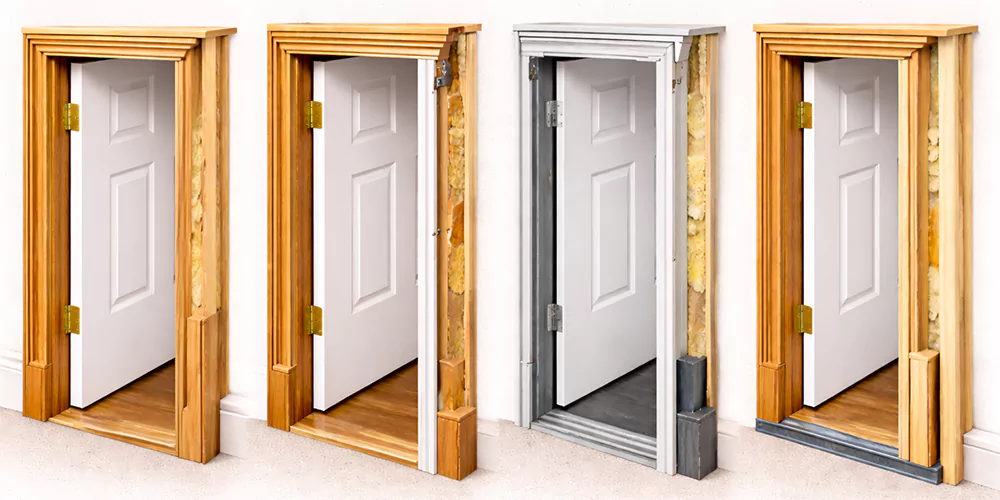
Not all door jambs are created equal. The type you need depends on your application, whether it’s interior or exterior, residential or commercial, and what your existing wall construction looks like.
This is the traditional approach where the jamb is a single solid piece of material spanning your full wall thickness. You'll find these in most residential applications and older construction. The jamb gets installed in the rough opening, shimmed to level and plumb, then your drywall and trim cover the gaps.
Standard jambs work well when your wall thickness is consistent and you're doing new construction or full door replacement. The downside is that replacement can be invasive since you often need to remove trim on both sides of the wall.
Split jambs are a game-changer for replacement projects. The jamb separates into two interlocking pieces, one for each side of the wall. You install the door slab already mounted to one half of the jamb, then slide the second half into place from the other side of the wall. The two pieces lock together in the middle of the wall.
This design means you can replace a door without removing your trim or drywall on both sides. You work primarily from one side, making it much less invasive. Split jambs are popular for interior door replacement in existing homes, particularly here in Central Florida where homeowners want to update doors without a full remodel.
The trade-off is that split jambs cost slightly more than standard jambs and aren't suitable for all applications. Exterior doors rarely use split jamb systems because they don't provide the same sealing integrity needed for weather protection.
Commercial applications almost always use hollow metal frames instead of wood jambs. These consist of formed steel pieces that create a complete frame assembly. The jamb includes a face for the door stop, returns that attach to the wall, and often a floor anchor system.
Metal jambs come in different profiles based on your wall type: standard throat for drywall, masonry throat for block walls, double egress for doors with traffic on both sides, and hospital stops for specific medical applications.
In Central Florida commercial projects, metal jambs need to meet fire rating requirements and often include provisions for fire-rated door assemblies. The FBC 8th Edition specifies requirements for fire-rated assemblies, which dictate the jamb type and installation method.
Many exterior door replacements now come as complete frame kits or pre-hung units. The jamb, sill, and threshold come as an integrated assembly, often with weatherstripping already installed. Some include the door pre-mounted with hinges and strike plate.
These kits simplify installation and ensure all components are sized correctly for each other. For projects requiring Florida Product Approval numbers, the complete assembly often carries the certification rather than individual components.
The main consideration with frame kits is that your rough opening needs to match the kit dimensions. If you're replacing an existing door and the old frame was a different size, you might need to adjust your rough opening before the new kit will fit.
Choosing the Right Material for Central Florida

Material selection for door jambs in Central Florida involves balancing several factors: durability in humid conditions, resistance to insects, dimensional stability, and cost.
Pine and fir are the most common wood jamb materials for residential applications. They're affordable, easy to work with, and widely available. The downside in Florida is that softwoods are susceptible to moisture damage and insect activity if exposed to the elements.
For better performance, many Central Florida builders and homeowners choose hardwood jambs like oak or poplar for exterior applications. Hardwoods resist moisture better and provide a more durable surface for hardware mounting. They cost more but typically last longer in our climate.
Wood jambs for exterior doors should receive proper sealing and finishing before installation. Even with impact-resistant doors that meet Wind-Borne Debris Region requirements, the jamb itself needs protection from moisture. Primer and paint on all six sides before installation helps extend service life.
Interior wood jambs face fewer environmental challenges but still benefit from quality materials. The constant air conditioning cycling creates some humidity variation, so kiln-dried lumber helps prevent warping and movement after installation.
Composite materials like MDF and engineered wood products offer better dimensional stability than solid wood. They don't expand and contract as much with humidity changes, reducing the risk of gaps developing around your door over time.
These materials also come pre-primed in many cases, saving finishing time during installation. They're more consistent in quality since manufacturing processes remove natural wood variations like knots and grain differences.
The consideration with composites is that they don't hold fasteners quite as well as solid wood. For heavy exterior doors or high-traffic commercial applications, reinforced areas or different fastener types might be necessary.
Fiberglass door jambs are gaining popularity in Central Florida for exterior applications. They're completely moisture-resistant, won't rot or warp, and don't attract termites or carpenter ants. These advantages matter in our humid climate with year-round insect activity.
Fiberglass jambs come pre-finished in many cases, and they maintain their appearance without repainting. They're particularly good for doors with extended sun exposure since they resist UV degradation better than wood.
The main drawback is cost. Fiberglass jambs typically run 40-60% more than standard wood jambs. For budget-conscious projects, this difference might push you toward other materials.
As mentioned earlier, commercial applications typically use hollow metal jambs. In Central Florida, these should include rust-resistant coatings since our high humidity can cause corrosion on untreated steel.
Galvanized steel or steel with baked-on powder coat finishes provide the best protection. Aluminum jambs are available for specific applications where corrosion resistance is critical, though they're more expensive and less common for standard door openings.
Door Jamb Installation

Installing a door jamb correctly makes the difference between a door that works smoothly for years and one that causes constant problems. Here’s what’s involved in the process.
Before installing a jamb, your rough opening needs proper preparation. The opening should be square, plumb, and sized correctly for your door and jamb assembly. In Central Florida construction, this opening typically includes a properly sized header adequate for your door width and any load it carries.
For exterior doors in our Wind-Borne Debris Region, the rough opening framing might need additional reinforcement depending on your door type. Impact-resistant doors place higher loads on frames during severe weather, so the surrounding structure needs proper sizing.
The subfloor or threshold area needs to be level and at the correct height. Many installation problems trace back to unlevel thresholds that force the entire jamb assembly out of plumb. Taking time to verify and correct floor levels before jamb installation prevents headaches later.
Jamb installation starts with positioning the assembly in the rough opening. For pre-hung units with the door already attached, you set the entire unit in place. For jamb-only installations, you position just the frame.
Proper shimming is crucial. Shims go behind hinge locations to provide solid backing for hardware, behind strike plate areas for the same reason, and at intervals along the jamb to keep it straight. Over-tightening screws through shims can bow the jamb, so fasteners should be snug but not torqued down hard.
For exterior doors, the sill and threshold assembly integrates with the jamb. Proper sealing between the sill and subfloor prevents water intrusion. In Florida's frequent rainfall, this seal is critical. Many installers use sill seal foam plus polyurethane sealant for double protection.
The head jamb needs support across its span. Most installations include shims above the head jamb bearing on the header. This prevents sagging over time, particularly with heavy solid wood or impact-resistant doors.
Final adjustments involve checking door clearances on all sides and verifying smooth operation through the full swing range. Exterior doors should compress weatherstripping evenly around the perimeter when closed.
Door jamb installation falls into the category of projects that capable DIYers can handle but where professional help often makes sense. If you're comfortable with carpentry, have the necessary tools, and understand level and plumb concepts, installing a pre-hung interior door is reasonable for DIY.
However, several situations call for professional installation. Exterior doors with weathersealing requirements and potential building code inspections benefit from experienced installers. Commercial doors with fire ratings or specific code requirements should be professionally installed since improper installation can void certifications. Any project involving structural modifications to the rough opening exceeds typical DIY scope.
In Central Florida, professional door installation typically includes verification that the installation meets FBC requirements. For exterior doors, this means proper flashing, sealing, and attachment methods that comply with Wind-Borne Debris Region standards.
Door Jamb Repair
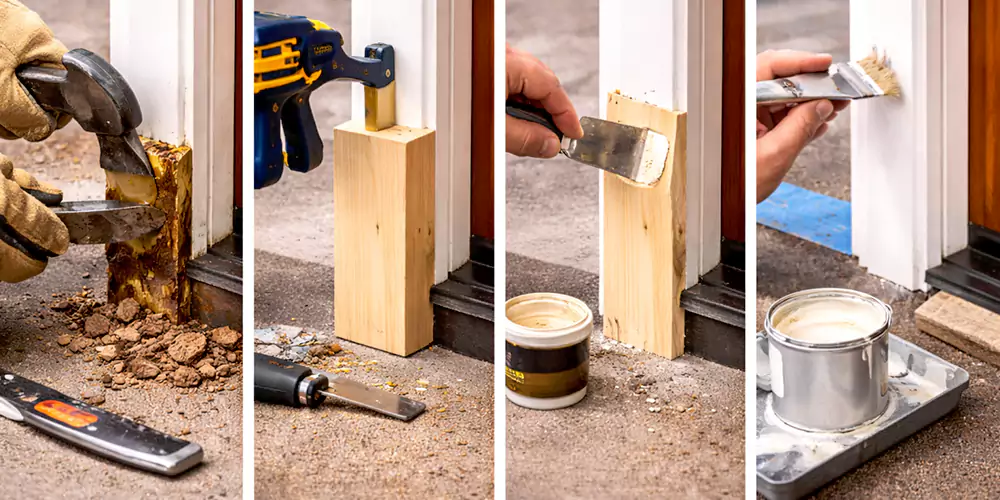
Door jambs take regular abuse from daily use. Hinges loosen over time, impacts damage the strike plate area, and moisture can cause rot in exterior installations. Many jamb problems can be repaired rather than requiring complete replacement.
This is probably the most common jamb repair. The screws holding your hinges gradually loosen as you open and close the door. Eventually, the holes strip out and screws won't hold anymore. The door sags or binds.
The quick fix involves longer screws that reach through the jamb into the framing behind it. Three-inch screws will usually find solid wood, pulling the hinge tight again and lifting the door back into position.
For holes that are completely stripped, you have several options. Wooden golf tees glued into the holes provide new material for screws to bite into. Toothpicks and wood glue work for slightly worn holes. Two-part epoxy wood filler lets you completely rebuild the hole, though it requires more work and drying time.
In commercial installations with metal jambs, stripped threads typically mean replacing the jamb since repair options are limited.
The strike plate area takes repeated impacts from the door latch. Over time, the wood behind the plate can compress or split. You'll notice the door doesn't latch properly or the strike plate sits loose.
Repair involves removing the strike plate and assessing the damage. If the wood is just compressed, you might deepen the mortise slightly to compensate. If the jamb is split, wood glue and clamps can often repair it if caught early.
For more significant damage, cutting out the damaged section and splicing in a new piece of matching wood provides a solid repair. This requires more carpentry skill but results in a repair as strong as the original jamb.
Exterior door jambs in Florida can develop moisture damage from failed weathersealing or exposure to water during severe weather. You'll see soft wood, discoloration, or actual rot.
Minor moisture damage might be repairable by cutting away the affected area, treating with wood hardener, and rebuilding with epoxy filler. More extensive rot usually requires jamb replacement since structural integrity is compromised.
Prevention is better than cure here. Regular inspection of exterior door weathersealing and addressing any gaps or damage immediately prevents moisture from reaching the jamb in the first place.
Door Jamb Replacement

Sometimes repair isn’t practical or cost-effective. Several situations point toward replacement rather than repair.
Extensive moisture damage or rot compromises structural integrity. If more than 30% of the jamb shows damage, replacement makes more sense than trying to patch it together.
Multiple hinge locations stripped out indicate the entire jamb is wearing out. While you could repair each location individually, the overall condition suggests the jamb is at end of life.
Upgrading your door to a larger size or different style requires new jambs sized for the new door. Similarly, going from standard doors to impact-resistant doors often needs jambs that meet current Florida Product Approval requirements.
Physical damage from impacts or accidents that affect multiple areas of the jamb typically justifies replacement. While individual damage points might be repairable, cumulative repairs in one jamb assembly often cost as much as replacement while providing inferior results.
Door jamb replacement can range from relatively simple to quite involved depending on your situation.
Interior door jamb replacement with split jamb systems can often be completed with minimal disruption. Remove the old door and trim on one side, install the new jamb assembly, replace trim, and you're done. This might take a few hours for an experienced installer.
Exterior door jamb replacement involves more complexity. You'll need to remove interior and exterior trim, possibly siding near the door, and definitely the old door and threshold. The new jamb assembly needs proper flashing and sealing, which adds time and complexity. Weather protection during installation is important since you have an opening in your building envelope.
For doors requiring Florida Product Approval certification, make sure your new jamb assembly carries appropriate approvals. Using non-approved components in hurricane-prone areas can affect insurance coverage and building compliance.
Replacement costs vary based on door location, size, material, and whether you're DIY or hiring professionals.
Basic interior door jamb replacement with split jamb systems runs $150-300 for materials plus $200-400 for professional installation. This assumes standard size doors with no complications.
Exterior door jamb replacement costs more due to complexity and materials. Expect $300-600 for a complete frame kit with weathersealing components, plus $400-800 for professional installation. Impact-resistant door jambs meeting Florida Product Approval requirements might add 30-50% to material costs.
Commercial metal door jamb replacement varies significantly based on size, fire rating requirements, and accessibility. Basic hollow metal frames run $200-400 for materials, but fire-rated assemblies or custom sizes can exceed $1,000 just for the frame. Installation costs depend on whether the door stays operational during replacement and accessibility of the location.
Selecting the Right Door Jamb Width

Door jamb width needs to match your wall thickness. Standard residential wall construction uses 2×4 framing with 1/2-inch drywall on each side, creating a 4-9/16 inch wall thickness. This is the most common jamb width you’ll encounter.
Some homes use 2×6 framing for exterior walls, increasing insulation space. These walls need 6-9/16 inch jambs to span the thicker wall. Using the wrong width creates gaps that require excessive trim to cover or jambs that protrude past wall surfaces.
Commercial construction varies more in wall thickness. Metal stud walls, masonry walls, and various partition systems each have specific requirements. The hollow metal jamb needs proper throat dimension matching your wall construction.
For replacement projects, measuring your actual wall thickness beats assuming standard dimensions. Variations in drywall thickness, plaster work, or previous modifications can change the required jamb width from standard sizes.
Sometimes your wall thickness doesn't match available jamb widths. Extensions let you adapt a jamb to a thicker wall without ordering custom sizes.
Extensions are typically strips of wood material that attach to the jamb face, widening it to match your wall. They install before drywall or final wall covering goes up, creating a complete jamb surface for trim attachment.
Using extensions costs less than custom jambs but requires additional installation time. The extension needs proper alignment and secure attachment so it doesn't separate over time.
Commercial vs. Residential Door Jamb Considerations
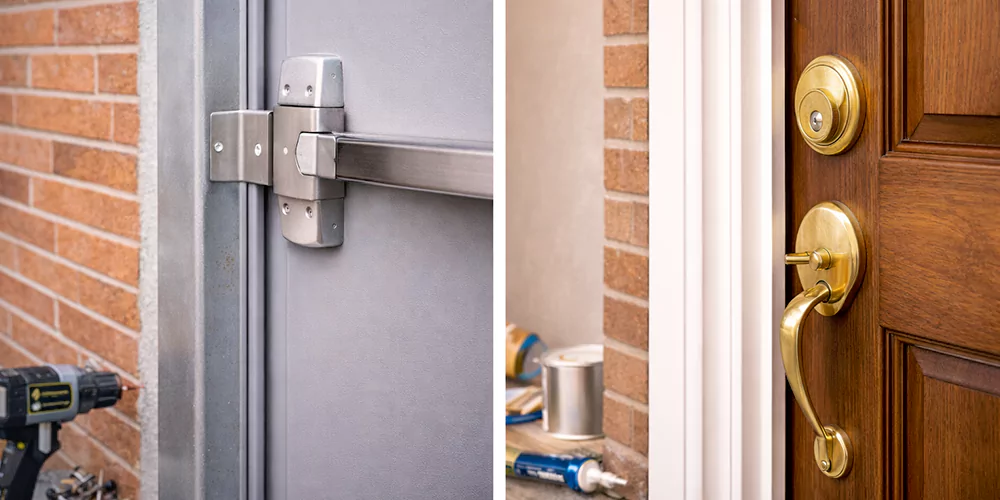
Commercial and residential applications have different requirements that affect jamb selection and installation.
Residential jambs prioritize appearance, cost-effectiveness, and ease of installation. Wood jambs are common since they're readily available and work well for residential traffic levels.
Interior residential jambs need to support the door weight and provide mounting for hardware. Exterior residential jambs add weathersealing and need to resist moisture, matching whatever door system you're using.
In Central Florida residential projects, exterior door jambs should coordinate with your impact protection strategy. If you're using impact-resistant doors for Wind-Borne Debris Region compliance, verify the jamb is part of an approved assembly.
Commercial jambs deal with higher traffic, more stringent codes, and often specific performance requirements.
Fire ratings are common in commercial applications. A fire-rated door assembly requires a fire-rated frame, properly installed with approved methods. The jamb label indicates the rating and approval information.
Accessibility requirements under ADA affect hardware placement and operation, which influences jamb specifications. Commercial jambs need to accommodate ADA-compliant hardware without requiring modifications that void fire ratings or other certifications.
Heavy commercial doors require jambs with adequate strength and proper anchoring. Hollow metal jambs provide the strength needed for heavy doors and high-cycle use.
In Florida commercial construction, exterior door jambs often need to meet higher wind load requirements than residential. The FBC 8th Edition specifies performance criteria based on building location and importance category.
Working with a Florida Door Supplier
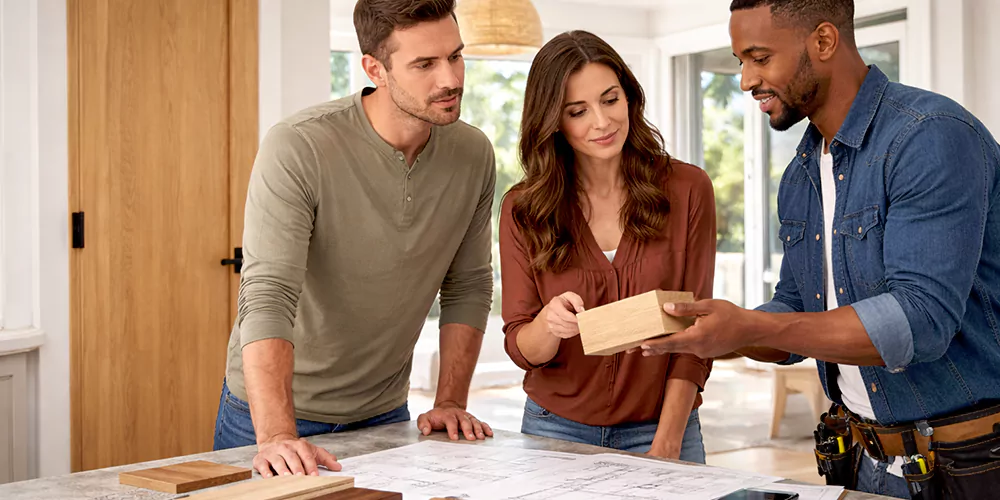
Selecting the right supplier for door jambs and related components matters for project success.
Local suppliers understand Florida-specific requirements. They stock jambs suitable for our climate and know which products carry necessary approvals for code compliance.
Product availability affects project timing. Suppliers with good inventory of standard sizes keep projects moving. Custom or special-order items need lead time, so plan accordingly.
Technical knowledge helps with specification questions. Good suppliers can recommend appropriate jamb materials and configurations for your application, including addressing specific challenges you might face.
Central Florida has specific building code requirements. Local suppliers are familiar with these requirements and stock appropriate products.
Our humid subtropical climate creates material challenges that differ from other regions. Suppliers operating in our area understand which jamb materials and finishes hold up best in local conditions.
Product approvals matter for exterior doors and commercial applications. Florida Product Approval databases list approved assemblies, and local suppliers typically stock approved components since they're required for most permitted work.
Titan Florida Doors operates from Longwood, serving Central Florida's residential and commercial door needs. We understand the specific requirements of this region and stock door jambs and complete frame assemblies suitable for local applications. Our team knows the difference between HVHZ requirements and Wind-Borne Debris Region standards, helping you select appropriate components for your specific location.
Whether you're replacing a single damaged interior jamb or outfitting a commercial project with fire-rated assemblies, working with a supplier familiar with Florida requirements helps ensure you get the right products for your application.
With all this information, how do you actually choose the right wood interior doors for your Central Florida project?
Frequently Asked Questions
The terms are often used interchangeably, but technically the jamb refers to the vertical sides of the frame while the frame includes the jambs plus the head (top piece) and sill (bottom piece for exterior doors). In practical conversation, most people use "frame" to mean the complete assembly and "jamb" to refer specifically to the vertical components.
Yes, though it depends on your situation. If the door is in good condition and sized correctly for the new jamb, replacement is possible. However, many people choose to replace both together since you already have the opening disassembled. Pre-hung door units that include both door and jamb often cost only slightly more than jambs alone and simplify installation.
Measure your wall thickness at the door opening. Standard residential interior walls are 4-9/16 inches, but verify your actual thickness since variations exist. For exterior doors, your jamb width needs to match your wall construction, and the overall jamb height and width need to accommodate your door size plus clearances.
Moisture exposure is the main culprit. In exterior applications, failed weathersealing lets water reach the jamb. Poor flashing installation above the door can direct water into the frame. At the bottom, inadequate sill sealing allows water intrusion from below. Interior jambs rarely rot unless you have plumbing leaks or significant moisture problems in the wall.
Interior door jambs in residential applications can last the life of the house if installed correctly with quality materials. Exterior door jambs face more challenges. In Central Florida's humid climate, wood jambs typically last 15-25 years with proper maintenance. Fiberglass or metal jambs can last 30+ years. Commercial applications with heavy traffic might require jamb replacement after 15-20 years due to wear rather than deterioration.
This varies by jurisdiction in Central Florida. Interior door jamb replacement typically doesn't require permits. Exterior door replacement usually requires a permit since it involves the building envelope. If you're replacing the jamb as part of a larger door replacement project, permits are typically required. Check with your local building department for specific requirements.
Split jambs are not recommended for exterior doors. They don't provide the same sealing integrity and structural continuity as solid jambs. Exterior doors need proper weathersealing and solid attachment points for hinges and strike plates. Use solid jamb assemblies or complete frame kits for exterior applications.
For exterior applications in Central Florida, your best options are treated or naturally rot-resistant hardwoods, fiberglass, or properly coated metal. These materials resist moisture and humidity better than standard softwoods. For interior applications, standard pine or fir jambs work fine since they're not exposed to weather. The key is matching material to application and ensuring proper finishing for exterior jambs.
First, determine whether the jamb shifted or if the door itself sagged. Check if the jamb is still plumb using a level. If the jamb moved, shimming and resecuring it might be necessary. If the door sagged, tightening or replacing hinge screws often solves the problem. Sometimes adjusting the strike plate position or deepening its mortise slightly provides enough adjustment to restore proper latching.
Ready to Start Your Door Project?
Whether you’re dealing with a damaged jamb that needs repair, planning a complete door replacement, or specifying out a commercial project, Titan Florida Doors brings Central Florida expertise to every job. We understand the specific requirements of our region and stock door jambs and complete frame assemblies that meet Florida Building Code requirements.
For Residential Projects: We’ll help you select the right door jamb system for your home, whether it’s a single replacement or a whole-house door upgrade.
For Commercial Projects: Our team understands fire ratings, accessibility requirements, and the specific demands of commercial construction in Central Florida.
Contact us at our Longwood location to discuss your door jamb needs. We’re here to help you get the right products for your specific application, backed by local knowledge and expertise you can rely on.
