

Introduction
There’s something undeniably elegant about exterior french doors. They transform a basic entryway into an architectural statement, flood rooms with natural light, and create that seamless indoor-outdoor connection Florida homeowners love. Whether you’re building new construction, updating your home’s curb appeal, or replacing aging patio doors, understanding your options makes all the difference between a beautiful addition and a costly mistake.
Here’s what you need to know about selecting, installing, and maintaining exterior french doors in Central Florida’s unique climate.
What Makes French Doors Different?

Unlike standard single-panel doors, french doors feature multiple glass panels (called lites) framed by wood, fiberglass, or metal. The classic design typically includes two door panels that meet in the center, though single french doors are also available for narrower openings.
The defining characteristic is the extensive glass coverage. Traditional french doors have glass panels from top to bottom, separated only by thin muntins or grilles. This creates that classic divided-light look and maximizes visibility and natural light.
Modern variations include:
- Full-lite french doors (maximum glass, minimal frame)
- Three-quarter lite designs (glass on upper portion, solid panel below)
- Multi-point locking systems for enhanced security
- Impact-resistant glass for Florida applications
- Energy-efficient low-E glass coatings
The beauty of french doors extends beyond aesthetics. They create functional flexibility by offering wide openings for entertaining, furniture moves, and everyday access. A pair of 30-inch french doors provides a 60-inch clear opening when both panels swing open, far more accessible than traditional single doors.
Material Options: Wood, Fiberglass, or Steel?

Your material choice affects everything from cost and maintenance to performance in Florida’s climate. Each option brings distinct advantages.
Wood remains the traditional choice for exterior french doors, and for good reason. The warmth, natural beauty, and architectural authenticity of wood french doors create immediate visual impact. You can stain wood to showcase the grain or paint it to match your home's trim.
Popular wood species include:
- Mahogany: Rich color, excellent stability, naturally rot-resistant
- Oak: Classic grain patterns, durable, takes stain beautifully
- Fir: Budget-friendly, stable, holds paint well
- Cherry: Premium appearance, ages beautifully
The reality for Florida homeowners? Wood requires commitment. Our humidity, UV exposure, and occasional storms mean you'll need to maintain the finish every few years. Quality wood french doors with proper treatment and maintenance easily last 30+ years, but they demand more attention than synthetic alternatives.
Expect to pay $1,500 to $4,500 for quality wood exterior french doors, not including installation.
Fiberglass has become increasingly popular for exterior applications, and it's easy to see why. Modern fiberglass french doors are manufactured to mimic wood grain so convincingly that most people can't tell the difference from 10 feet away.
The performance benefits matter more than aesthetics for many Central Florida homeowners:
- Minimal expansion and contraction with temperature changes
- Won't rot, split, or warp from moisture exposure
- Holds paint and stain for years without the frequent touch-ups wood requires
- Excellent insulation properties (better than wood or steel)
- Available with factory-applied finishes that resist fading
Fiberglass exterior french doors typically range from $1,800 to $5,000 depending on the manufacturer, finish quality, and hardware specifications. The higher upfront cost compared to steel is offset by dramatically lower maintenance requirements over the door's lifespan.
Steel french doors bring two primary advantages: security and cost. A steel frame provides superior break-in resistance compared to wood or fiberglass. For commercial applications or homes where security is a top priority, steel makes sense.
The tradeoffs include limited design flexibility (steel doors typically have more visible seams and joints), potential for dents, and the need for proper finishing to prevent rust in coastal areas. Steel also conducts heat more readily than wood or fiberglass, which can impact energy efficiency.
Quality steel exterior french doors start around $1,200 and reach $3,500 for premium commercial-grade units. They're most common in commercial applications or as secondary/back entrances in residential settings.
Aluminum french doors occupy a niche between steel and fiberglass. They won't rust like steel, they're lighter and easier to operate, and they work well in coastal environments. The narrow sightlines possible with aluminum frames create a more contemporary aesthetic that pairs perfectly with modern architecture.
Commercial applications favor aluminum for its durability and low maintenance. Residential use has grown as homeowners embrace contemporary design. Prices typically range from $2,000 to $6,000 depending on the finish and glazing options.
Swing Direction: Inswing vs. Outswing
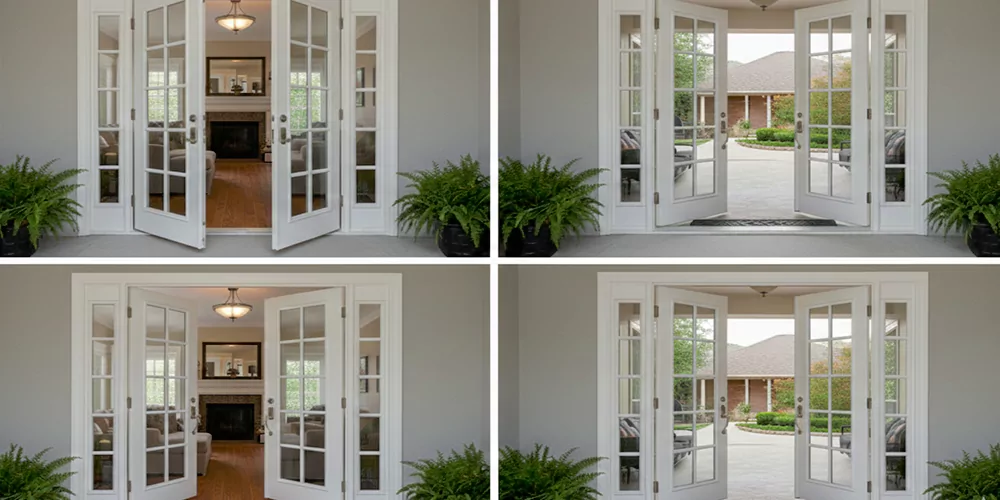
The direction your french doors swing affects both functionality and code compliance in Florida.
Inswing french doors open into your home. They're common in traditional applications because they:
- Keep the hinges inside and protected
- Create a weather seal that naturally tightens when wind pressure builds
- Allow for a wider variety of decorative hardware on the exterior
The primary limitation is interior space. You need clearance for the doors to swing open, which can complicate furniture placement near the entry.
Outswing french doors are increasingly popular in Central Florida, particularly for patio and lanai access. They open to the outside, which means:
- No interior floor space consumed by the door swing
- Hinges must be properly protected or use non-removable pin hinges
- Weatherstripping configuration differs from inswing applications
In wind-borne debris regions (which includes most of Central Florida), outswing doors can actually perform better during storms because wind pressure helps hold them closed rather than trying to push them open. Many Florida homeowners specifically choose outswing configurations for hurricane performance.
Both configurations are available in double french doors exterior and single french door options. The decision often comes down to your specific application and interior layout.
Impact Resistance and Florida Building Code
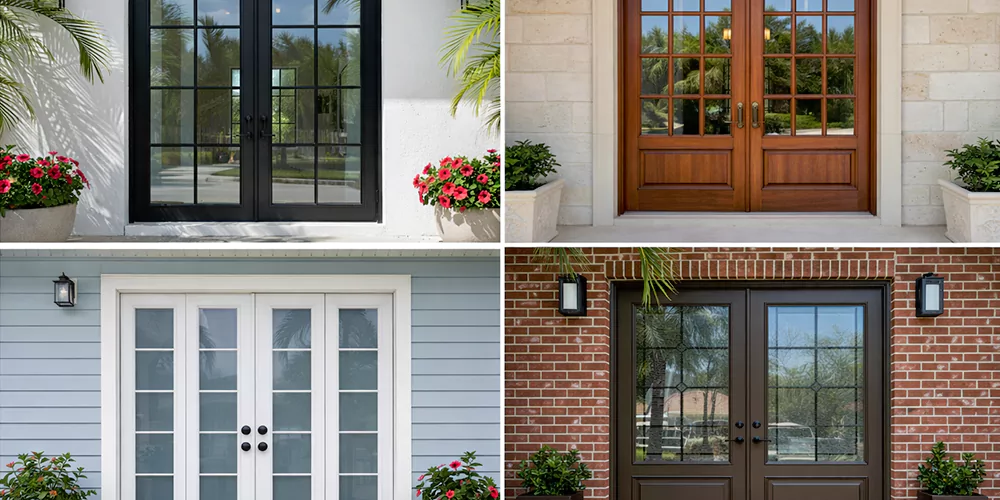
Here’s what matters if you’re in Central Florida: all exterior doors must either be impact-resistant or protected by impact-resistant covering (like hurricane shutters) per the Florida Building Code 8th Edition.
Orlando and most of Central Florida fall within Wind-Borne Debris Regions. While not classified as High-Velocity Hurricane Zone (HVHZ) like Miami-Dade, you still need doors that meet specific wind speed and impact resistance standards.
Look for products with a Florida Product Approval (FLPA) number. This certification indicates the door has been tested and approved for use outside the HVHZ. You can also use doors with the stricter Miami-Dade Notice of Acceptance (NOA), which is valid statewide and provides additional confidence in hurricane performance.
Impact-rated exterior french doors include:
- Laminated impact-resistant glass (similar to automotive windshields)
- Reinforced frames designed to resist wind pressure
- Multi-point locking systems that distribute load across the frame
- Heavy-duty weatherstripping to prevent water intrusion
Most reputable manufacturers now offer french doors with impact ratings. Expect to pay 20% to 40% more for impact-rated doors compared to standard configurations, but this is a required investment for Florida installations.
Not every application requires impact glass, however. If you plan to install permanent hurricane shutters or removable storm panels, you can use standard glass and simply protect it during storm season. Many homeowners prefer this approach for cost savings on doors that won’t be frequently used during hurricane season.
Size Considerations and Common Dimensions
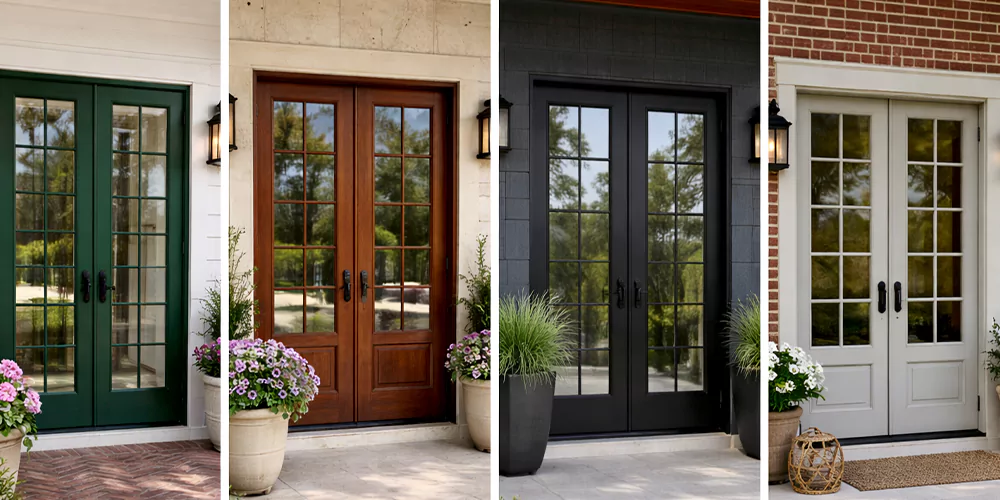
Exterior french doors come in various sizes to accommodate different rough openings. Standard configurations include:
60 x 80 Exterior French Doors: The most common residential size. A pair of 30-inch panels creates a standard door height with a 5-foot combined width. This size works for most patio and backyard access points.
72 x 80 Exterior French Doors: Slightly wider than standard, providing a 6-foot opening when both panels are open. Popular for main entrances or locations where you want more dramatic impact.
72 x 96 French Doors Exterior: Taller doors create a more impressive architectural statement and are common in homes with higher ceilings. The 8-foot height works well for two-story spaces or areas where you want to emphasize vertical lines.
48 Inch Exterior French Doors: A pair of 24-inch panels works for tighter spaces or as secondary entrances. Less common but useful for specific applications.
Custom sizes are available from most manufacturers, though they typically add 3-6 weeks to the delivery timeline and 15% to 30% to the cost.
When measuring for replacement french doors, remember you’re measuring the rough opening, not the old door size. The new door unit (called the frame-and-panel assembly) needs to fit within your rough opening with room for shimming and adjustment. If you’re unsure about measurements, having a professional measure before ordering can save expensive mistakes.
Hardware, Screens, and Accessories

The details matter with french doors. Hardware selection affects both appearance and functionality.
Quality hardware includes handlesets, deadbolts, and any decorative elements. For exterior applications, choose hardware rated for outdoor use with appropriate weather resistance.
Popular configurations include:
- Handlesets with integrated deadbolts (most secure)
- Multi-point locking systems (engage at top, middle, and bottom)
- Thumb-turn deadbolts for easy operation
- Key-operated locks for security
Finish options range from oil-rubbed bronze and matte black to polished brass and satin nickel. The finish should coordinate with your other exterior hardware and fixtures. Budget $150 to $600 for quality hardware depending on the finish and locking mechanism complexity.
Many modern french doors include astragals (the vertical piece where the two doors meet) with built-in weatherstripping and flush bolts to secure the inactive panel.
Florida living means you'll want screens. Options include:
- Retractable screens that disappear when not in use
- Traditional hinged screen doors that swing with the main doors
- Fixed screens on tracks for double french doors
- Magnetic screens that attach to the frame
Retractable screens are the most popular for french doors because they preserve the clean look when you don't need them. Quality retractable screen systems start around $400 and can exceed $1,000 for wide openings with premium mesh.
Installation Considerations
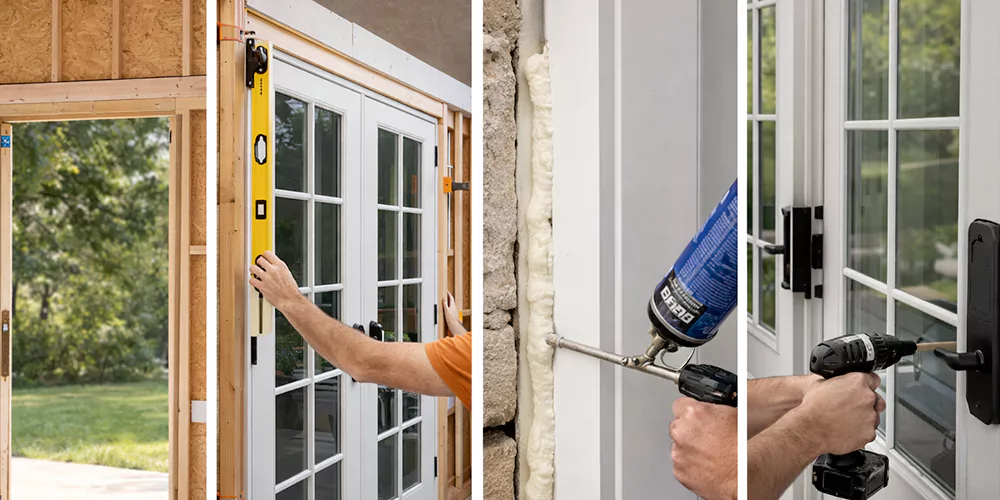
Professional installation is strongly recommended for exterior french doors, particularly in Florida where proper flashing, waterproofing, and impact rating compliance matter.
A typical installation includes:
- Removing old door(s) and frame
- Inspecting and repairing rough opening as needed
- Installing proper flashing and waterproofing
- Setting and leveling the new door frame
- Securing the frame to the structure
- Insulating gaps and applying interior/exterior trim
- Final adjustment of operation and hardware
Professional installation typically adds $400 to $1,500 depending on the complexity, whether you’re doing new construction or replacement, and any trim or sidelights included.
The cost of exterior french doors varies significantly based on material, size, impact rating, and hardware:
- Budget options: $1,200-$2,500 (steel or basic fiberglass)
- Mid-range: $2,500-$4,500 (quality fiberglass or wood)
- Premium: $4,500-$8,000+ (custom wood, specialty finishes, sidelights)
Add installation ($400-$1,500) and any necessary structural modifications or upgraded trim work.
Modern Design Trends
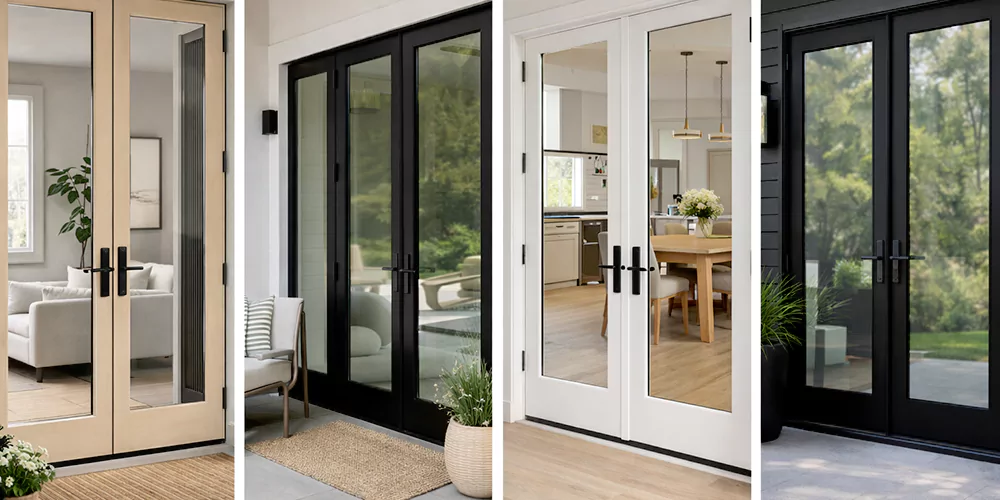
Contemporary french door design has expanded beyond traditional divided lites. Current trends include:
Black French Doors Exterior: Matte black finishes create striking contrast and work beautifully with modern farmhouse and contemporary styles. Black frames paired with clear glass create clean lines and emphasize the view.
Modern French Doors Exterior: Minimalist designs with narrow sightlines, large glass panels, and simplified grille patterns. Often features full-lite configurations with no grilles at all for unobstructed views.
Farmhouse Exterior French Doors: White or wood-tone doors with traditional divided lites, often combined with sidelights or transoms. Rustic hardware and distressed finishes complete the look.
The trend toward larger glass panels reflects homeowners’ desire to connect interior and exterior spaces visually. This works especially well in Florida where the climate encourages outdoor living.
Maintenance Requirements
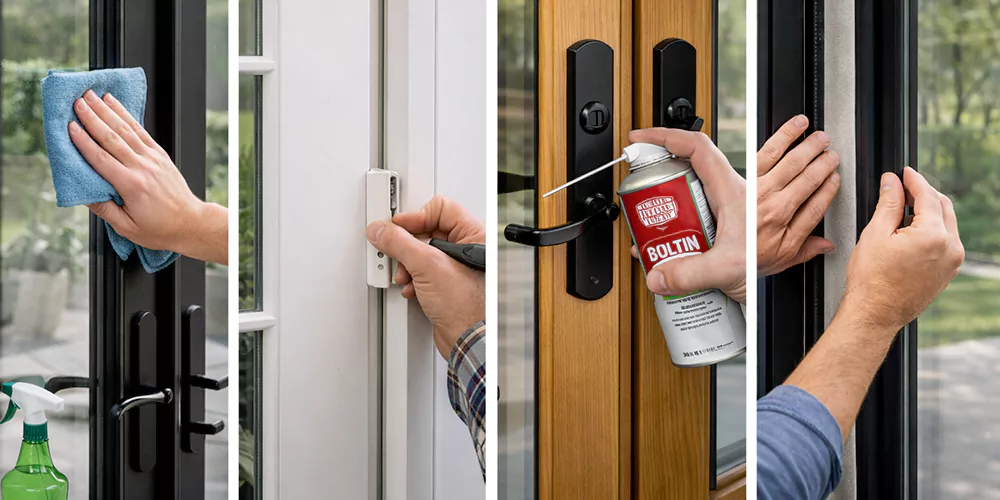
Your maintenance schedule depends entirely on your material choice.
Wood doors need the most attention. Expect to:
- Clean and inspect weatherstripping annually
- Touch up paint or stain every 2-3 years (more often on sun-exposed sides)
- Full refinishing every 5-8 years
- Address any rot or damage promptly
Fiberglass doors require minimal upkeep:
- Occasional washing with mild soap and water
- Inspection of weatherstripping and hardware
- Refinishing only needed every 10-15 years if factory finish deteriorates
Steel and aluminum doors need:
- Regular cleaning to prevent corrosion
- Touch-up of any chips or scratches in the finish
- Lubrication of hinges and hardware
All exterior french doors benefit from:
- Cleaning the glass inside and out twice yearly
- Checking and adjusting the door sweep and weatherstripping
- Ensuring proper drainage from the sill
- Lubricating locks and hinges annually
Pairing French Doors with Your Home

French doors work in multiple applications throughout your home:
Patio access: Double french doors exterior opening to a deck, patio, or lanai create the classic indoor-outdoor connection Florida homeowners love.
Main entrance: French entry doors make a strong architectural statement. They work especially well on larger homes or in traditional and transitional styles.
Office or study: A single french door with sidelight brings natural light while maintaining the formal feel of a dedicated workspace.
Master bedroom: French doors opening to a private patio or balcony add resort-style luxury.
The key is matching the door style to your home’s architecture. Traditional homes call for divided lites and classic hardware, while contemporary homes work better with minimal grilles and modern finishes.
Working with a Florida Door Supplier

Choosing exterior french doors involves balancing aesthetics, performance, and budget. When you work with a knowledgeable Florida door supplier, you get:
- Products certified for Florida’s building code requirements
- Experience with impact ratings and FLPA approvals
- Understanding of installation challenges in Florida construction
- Access to quality manufacturers and reliable delivery timelines
At Titan Florida Doors, we work with general contractors, commercial project managers, and homeowners throughout Central Florida. Our experience with exterior door frames, hurricane impact doors, and complete door systems means you get solutions that work together rather than trying to piece together components from multiple suppliers.
We understand Florida’s unique requirements. Not every project needs Miami-Dade NOA certification. Many Central Florida applications work perfectly with standard FLPA-approved products that cost less while still meeting code. We help you make informed decisions based on your specific location, application, and budget.
Making Your Decision

Start by identifying your priorities:
- Budget: What can you invest both upfront and in ongoing maintenance?
- Aesthetics: Does the door need to match specific architectural details or can you take a contemporary approach?
- Usage: Will this be a primary access point used daily or a secondary entrance?
- Climate exposure: Is the door shaded or in full sun? Protected or fully exposed to weather?
- Security needs: Are you in a high-traffic area or do you need commercial-grade security features?
From there, narrow down your material choices. Wood offers unmatched beauty but demands maintenance. Fiberglass provides the best balance of appearance, performance, and low upkeep. Steel delivers security and value.
Consider the complete installation cost, not just the door price. A premium door with quality installation often costs less over its lifetime than a budget door that needs frequent repairs or early replacement.
And remember, in Central Florida, impact resistance isn’t optional. Factor those requirements into your budget from the start rather than discovering code compliance issues later.
Frequently Asked Questions
French doors feature hinged panels that swing open, while patio doors (specifically sliding doors) operate on a track. French doors provide a wider unobstructed opening when both panels swing, better suit traditional architecture, and offer enhanced ventilation options. Patio doors save space because they don't require clearance for the swing, but they limit how much of the opening you can use at once. In Florida applications, both can be impact-rated, though french doors are often preferred for their aesthetic appeal and the ability to fully open the space.
In Central Florida's Wind-Borne Debris Regions (which includes Orlando and surrounding areas), exterior doors must either be impact-resistant or protected by impact-resistant covering. This is per the Florida Building Code 8th Edition. Products need a Florida Product Approval (FLPA) number certified for use outside the High-Velocity Hurricane Zone, or the stricter Miami-Dade Notice of Acceptance (NOA). If you install hurricane shutters or storm panels, you can use non-impact doors and deploy the protection during storm season.
Total installed cost for exterior french doors in Central Florida typically ranges from $1,600 to $9,500 depending on material, size, and features. Budget steel doors with basic installation start around $1,600-$3,000. Mid-range fiberglass or wood doors with professional installation run $3,500-$6,500. Premium custom wood doors with impact glass, specialty hardware, and complex installation can exceed $8,000-$10,000. Impact rating adds 20-40% to the door cost. Installation alone runs $400-$1,500 depending on whether you're replacing an existing door or creating a new opening.
Outswing french doors often perform better in Florida's hurricane-prone climate because wind pressure helps hold them closed rather than trying to push them open. They also save interior floor space since the doors swing outside. However, inswing doors keep hinges protected and create a natural weather seal that tightens under wind pressure. Both can be impact-rated and code-compliant. The choice often depends on your interior layout, available exterior space, and personal preference. For patio and lanai applications, most Florida homeowners prefer outswing configurations.
Quality exterior french doors typically last 20-30+ years with proper maintenance. Wood french doors can exceed 30 years if regularly maintained (refinishing every 5-8 years). Fiberglass doors often reach 25-35 years with minimal upkeep. Steel doors last 20-30 years but may require more frequent finish touch-ups in coastal areas. The lifespan depends heavily on material quality, installation quality, exposure to weather, and maintenance. Florida's UV exposure, humidity, and occasional storms place higher demands on doors than many climates, making material selection and maintenance critical for longevity.
While experienced DIYers can install french doors, professional installation is strongly recommended in Florida. Proper installation requires correct flashing and waterproofing to prevent water intrusion (critical in Florida's climate), precise leveling and shimming for proper operation, secure anchoring to meet wind load requirements, code-compliant installation for impact-rated doors, and proper trim and finishing. Improper installation can void warranties, create water damage, compromise impact ratings, and lead to operational problems. Professional installation typically costs $400-$1,500, a worthwhile investment for a major component of your home's envelope.
The most common residential exterior french door size is 60 x 80 inches (two 30-inch panels at standard 6-foot-8-inch height). This fits a standard 6-foot-wide rough opening. For a more dramatic entrance or wider access, 72 x 80 inch doors (two 36-inch panels) work well. Taller openings often use 72 x 96 inch or 60 x 96 inch doors. When measuring, you need the rough opening size (the framed opening in the wall), not just the old door size. The rough opening should be about 2 inches wider and 2.5 inches taller than the door frame to allow for shimming and adjustment.
Quality exterior french doors typically return 70-80% of their cost in increased home value, with premium installations sometimes returning even more. They enhance curb appeal significantly, improve natural light and indoor-outdoor flow (highly valued in Florida), demonstrate attention to quality and detail, and provide functional benefits like wider openings and better ventilation. French doors positioned as patio or backyard access in Florida homes particularly appeal to buyers who value outdoor living spaces. The return on investment is highest when the door style matches the home's architecture and the installation includes impact ratings in appropriate locations.
Ready to Select Your Exterior French Doors?
Whether you’re building new, renovating, or replacing worn-out doors, getting the right exterior french doors for your Central Florida home starts with expert guidance and quality products.
For Residential Projects: Get a custom quote for your home’s french door installation. We’ll help you select the right material, size, and impact rating for your specific application and budget.
For Commercial Projects: Contractors, project managers, and facility managers can request a detailed bid for commercial exterior french door applications including multi-family, retail, hospitality, and office installations.
Titan Florida Doors serves Orlando and Central Florida with commercial and residential door solutions. We understand Florida building codes, impact requirements, and the specific challenges of our climate. Let us help you select and source the right exterior french doors for your project.
Need to explore complementary solutions? Learn about door trim options to complete your installation or review our guide to hurricane impact doors for additional storm protection strategies.
