

Introduction
Spring cleaning isn’t just about organizing closets and scrubbing floors. It’s the perfect time to tackle that door remodel you’ve been putting off all winter. Whether you’re looking at your scuffed front door, those squeaky bedroom doors, or interior doors that have seen better days, spring offers ideal weather conditions and renewed motivation to refresh your home’s entryways.
Why Spring Is Prime Time for Door Remodeling
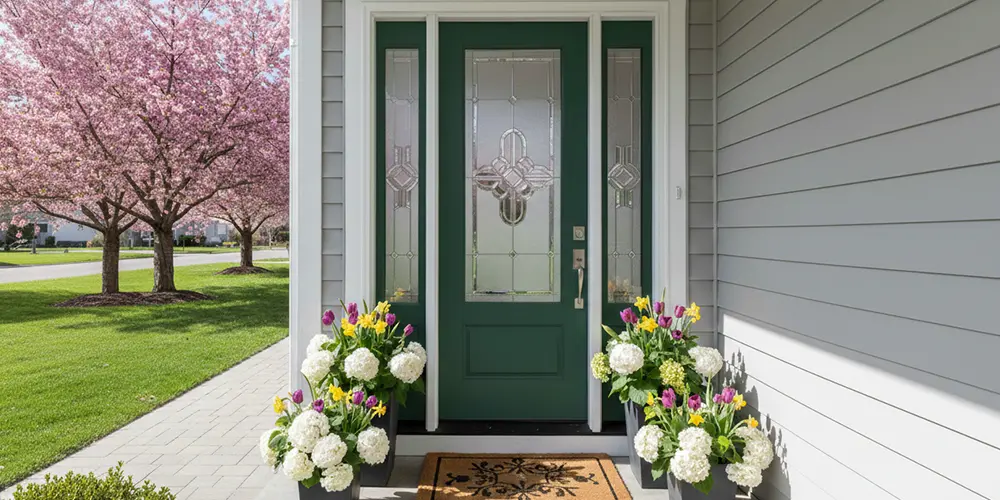
Spring weather in Central Florida gives you that perfect window (pun intended) for door work. You’re not dealing with summer’s intense heat and afternoon thunderstorms, and you’re past winter’s cooler temperatures. This moderate climate means:
Easier Installation: Materials acclimate better to mild temperatures. Wood doors won’t expand or contract as dramatically, steel doors install more comfortably, and sealants cure properly without extreme heat or humidity interfering with the process.
Better Scheduling: Contractors typically have more availability before the summer rush hits. You’ll get better rates and faster turnaround times when you’re not competing with peak season demand.
Open-House Friendly: If you’re planning to list your home this spring, a front door remodel can dramatically boost curb appeal. Real estate agents consistently rank updated entryways as one of the highest-ROI improvements you can make before selling.
Material Performance: Door frames, trim, and hardware all benefit from spring’s moderate humidity levels during installation. Everything settles and adjusts properly before summer’s heat arrives.
Plus, there’s something energizing about spring that makes tackling your to-do list feel less daunting. You’re already in cleaning mode, so why not upgrade while you’re at it?
Front Door Remodel: Making a Statement
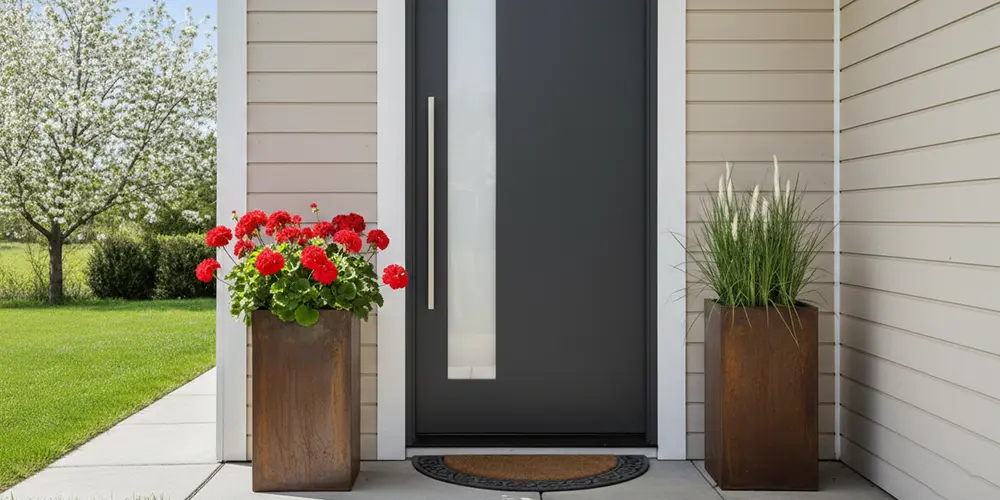
Your front door is the handshake of your home. It’s what guests see first, what you pass through multiple times daily, and what defines your home’s personality from the curb.
Contemporary door designs have come a long way from basic six-panel models. Today's front door remodels often feature:
- Sleek Steel Doors: Durable, secure, and available in dozens of finishes that mimic wood grain or showcase bold, modern colors
- Fiberglass Options: These offer the look of natural wood without the maintenance headaches
- Glass Inserts: From full-light designs to decorative sidelights that flood your entryway with natural light
- Statement Hardware: Upgraded handles, locks, and kickplates that add both security and style
For Florida homeowners, especially in Central Florida's wind-borne debris regions, you'll want doors that meet Florida Building Code requirements. Look for products with Florida Product Approval (FLPA) numbers, which means they're certified for impact resistance without needing additional shutters.
When budgeting for your front door remodel, expect these general ranges:
- Basic Steel Entry Door: $800 to $1,500 (material only)
- Mid-Range Fiberglass: $1,200 to $2,500
- High-End Custom Doors: $3,000 to $8,000+
- Professional Installation: $300 to $800
These door remodeling costs can vary based on your specific door size, existing frame condition, and whether you're adding sidelights or transoms. The good news? A quality front door typically recoups 75% or more of its cost in added home value.
Interior Door Updates: The Overlooked Upgrade
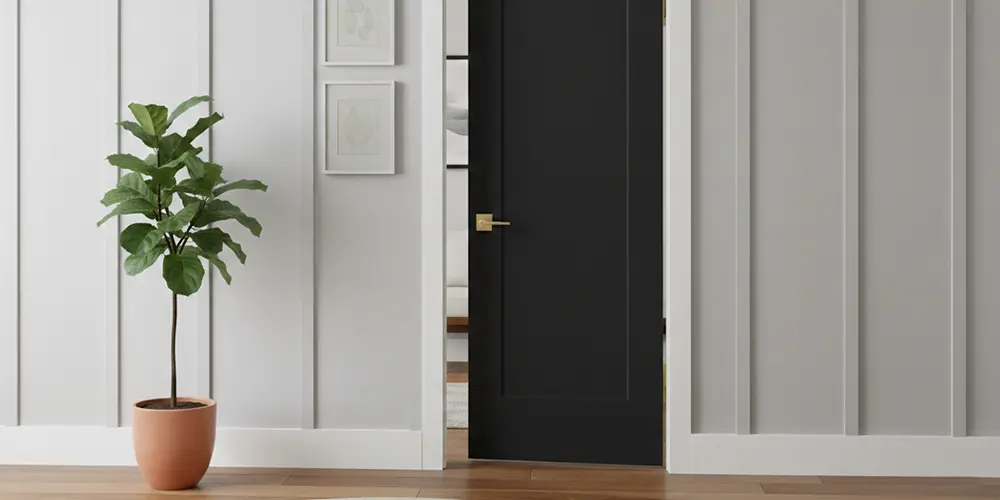
While everyone focuses on front door remodels, your interior doors deserve some spring love too. These workhorses get used constantly but rarely get the attention they deserve until something goes obviously wrong.
Walk through your home and listen. Really listen. Do you hear doors dragging on carpet, squeaky hinges announcing every midnight bathroom trip, or latches that don't catch properly? If hollow core doors transmit every sound between rooms, it's time for an upgrade.
Spring is the perfect time to address these issues:
Solid Core Upgrades: Switching from hollow core to solid core doors makes a remarkable difference. They're heavier, more substantial, and provide actual privacy. For families with teenagers or home offices, this upgrade pays dividends in peace and quiet.
Modern Door Styles: Contemporary door designs include clean five-panel configurations, three-panel craftsman styles, or sleek single-panel modern doors. If your home still has those basic contractor-grade six-panel doors from the 90s, updating to something with more character can transform your interior aesthetic.
Pre-Hung vs. Slab Only: Pre-hung doors (door already mounted in a frame with hinges) make installation straightforward and ensure proper operation. Slab-only replacements cost less but require precise carpentry skills.
Hollow Core Doors ($50-150): Lightweight with cardboard honeycomb interior. Budget-friendly but flimsy with zero sound insulation. Fine for closets, not for bedrooms.
Solid Core Doors ($150-300): Dense material throughout for substantial weight and sound dampening. For bedrooms, bathrooms, and home offices, these make a noticeable difference in privacy and quality.
Solid Wood Doors ($300-800+): Beautiful grain patterns that can be stained or painted. Premium option but requires more maintenance in Florida's humid climate.
MDF and Engineered Doors ($100-250): Smooth surfaces perfect for painting, resist warping better than solid wood in humid climates. Increasingly popular for Florida homes wanting quality without solid wood's maintenance needs.
As part of your spring cleaning routine, show your interior doors some care. Grab a screwdriver and tighten all hinges (loose hinges cause doors to sag). Apply silicone spray to hinges to eliminate squeaks (don't use WD-40, it attracts dust). Check door sweeps and seals for wear and replace if needed. Touch up paint and stain on scuffed areas. Adjust strike plates if doors aren't latching properly. Inspect door frames for cracks, gaps, or settling issues before they require major repairs.
Door Frame Remodeling
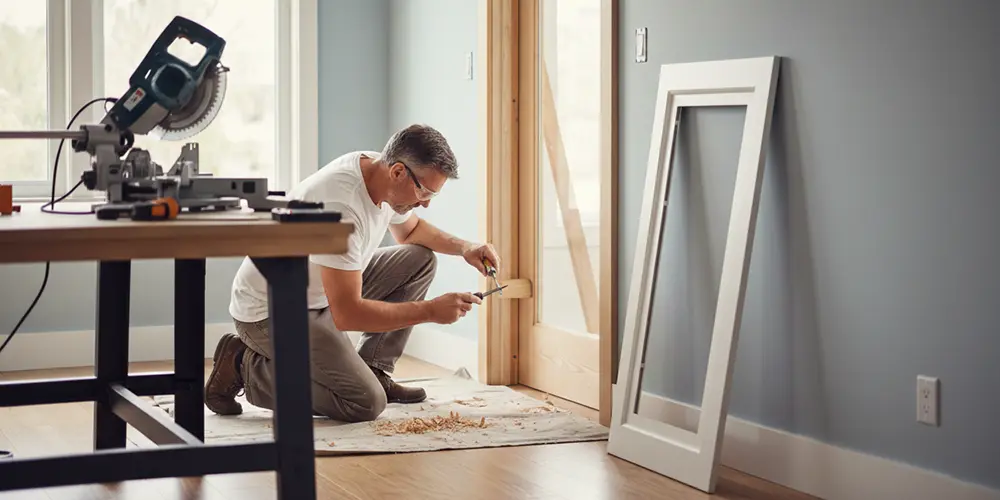
Your door frame does more heavy lifting than you might realize. It holds the door, provides weatherproofing, supports the structure around openings, and takes daily abuse.
Sometimes the frame is the real problem, not the door:
Visible Rot or Water Damage: In Florida's humid climate, wood frames can develop rot, especially around exterior doors. If you can push a screwdriver into the frame easily, it needs replacement.
Settling or Structural Issues: If frames are no longer square, doors won't hang properly no matter how many times you adjust them.
Upgrading to Impact-Rated Systems: Installing impact-rated entry doors often requires compatible frames designed to work with these systems for proper wind load and impact resistance.
Termite Damage: Common in Florida, termite damage to door frames requires complete replacement.
Wood Frames: Traditional and attractive but require maintenance. Regular painting or staining protects against moisture. Treated lumber lasts longer in humid conditions.
Hollow Metal Frames: Superior strength and durability, resist warping and rot completely, and provide excellent security. Standard for commercial but increasingly popular for high-end residential, especially front doors.
Composite Frames: Engineered materials that look like wood but resist moisture, rot, and insects better. Lower maintenance, hold paint well, and perform consistently in Florida's climate.
Vinyl-Clad Frames: Wood frames wrapped in vinyl exteriors combine wood's structural properties with vinyl's weatherproofing. Particularly good for exterior door applications in Florida.
Door Hardware Upgrades
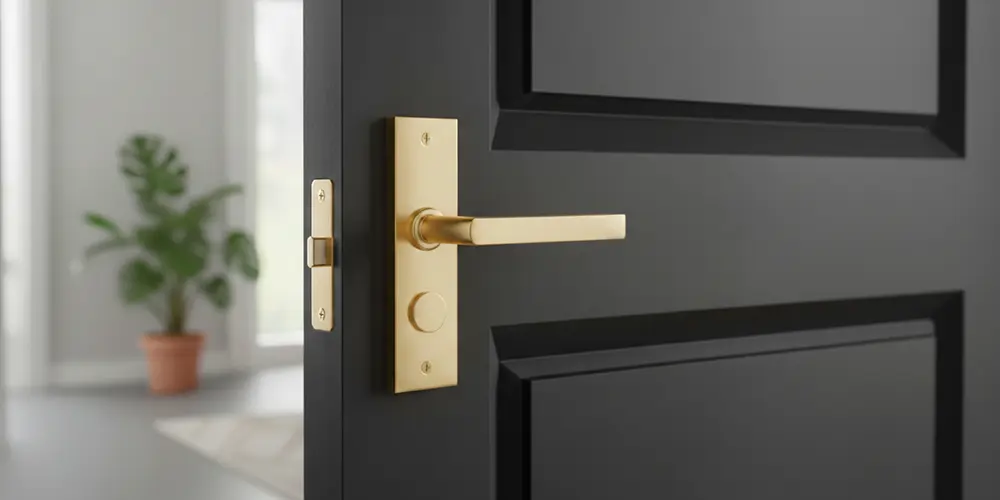
Hardware makes a bigger difference than most people realize. The right handles, locks, and accessories enhance both functionality and appearance while upgrading your home’s security.
Even if you're not replacing doors, updating hardware can completely transform their look:
Entry Door Hardware: Your front door hardware sets the tone for your entire home. Modern handlesets range from traditional lever designs to contemporary rectangular styles, available in countless finishes. Pair them with Grade 1 security deadbolts and consider smart lock integration for keyless entry and remote access.
Interior Door Hardware: Lever handles are easier to operate than knobs, especially with full hands, and they're ADA-compliant. Bedrooms and bathrooms need proper privacy locks, not just passage sets. For hallways and closets, passage sets provide handles without locking mechanisms. Quality hinges with ball bearings ensure smooth, quiet operation for years.
Matte Black: The most popular finish in contemporary design, it works with virtually any door color and doesn't show fingerprints as readily as polished finishes.
Brushed Nickel: A classic that never goes out of style, complementing both traditional and modern aesthetics.
Oil-Rubbed Bronze: Perfect for traditional or craftsman-style homes, developing a natural patina over time.
Satin Brass: Making a comeback, modern satin brass looks sophisticated when done right.
The key is consistency throughout your home. Pick one finish and use it everywhere for a cohesive look.
Spring door remodeling is the perfect time to integrate smart home technology. Keyless entry eliminates fumbling for keys, remote access lets you check if your door is locked from anywhere, and modern smart locks integrate with home security systems and voice assistants. For Florida homeowners, look for smart locks rated for outdoor use and high humidity.
Door Trim and Molding
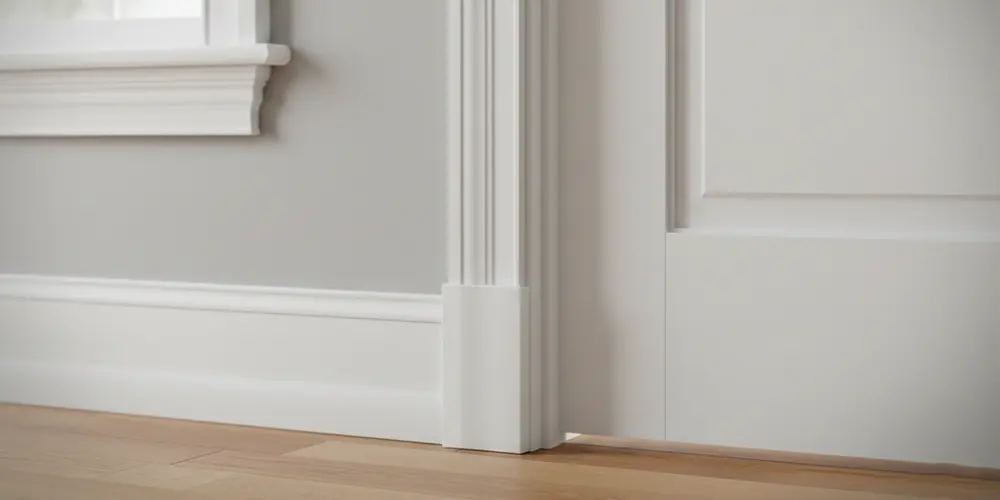
Door trim might seem like a minor detail, but it’s what frames your doors and creates clean transitions between surfaces. Spring remodeling is the perfect time to upgrade outdated or damaged trim.
Quality trim work creates visual continuity, covers gaps between frames and drywall, adds architectural interest, protects walls from door handle impacts, and increases perceived home quality. If your trim is scuffed, cracked, or boring, spring is the time to address it.
Colonial/Traditional: Simple profiles with modest details that work in most homes, complementing everything from craftsman to traditional architecture.
Craftsman: Wider boards with simpler lines offering substantial presence, particularly popular in bungalows and arts-and-crafts style homes.
Contemporary/Modern: Clean, simple profiles or flat boards for minimalist aesthetics focusing on clean lines without ornate details.
Material Options: Solid wood (pine, poplar, oak) offers natural beauty but requires proper sealing in Florida's humid climate. Pre-primed MDF is affordable, stable, and takes paint beautifully without warping. PVC trim is completely moisture-resistant, perfect for exterior doors or high-humidity areas. Composite materials combine wood fibers with resins for dimensional stability and moisture resistance.
Caulking: Re-caulk joints between trim and wall. Fresh caulk takes ten minutes and makes everything look crisp.
Paint Touch-Ups: Door trim takes abuse from vacuums and furniture. Spring is perfect for touching up scuffs and dings.
Replace Damaged Sections: If trim is cracked or badly damaged, replacing individual pieces is straightforward with standard profiles.
Complete Upgrades: If you're doing a door remodel anyway, consider upgrading trim profiles for a more substantial, custom look throughout your home.
Evaluating Remodeling Companies for Door Replacement
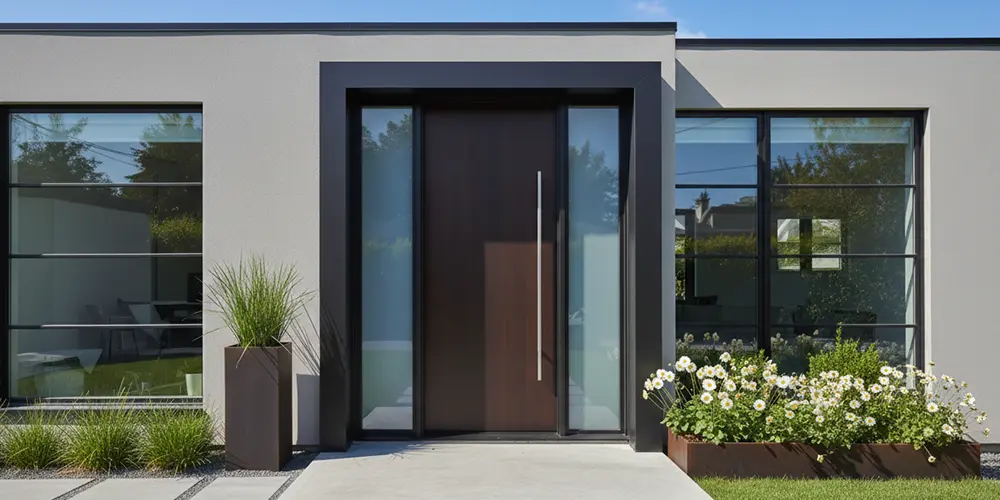
Once you’ve decided on your spring door remodel projects, finding the right contractor becomes crucial. Not all door installers are created equal, especially when dealing with products that need to meet Florida Building Code requirements.
Florida-Specific Experience: You want contractors who understand FBC standards, FLPA certifications, and local permitting requirements. Companies experienced with Central Florida projects know what inspectors look for.
Product Knowledge: Good remodelers explain differences between door materials, help you understand impact ratings, and recommend products that fit your specific needs and budget.
Comprehensive Quotes: Professional quotes detail materials, labor, permits, and any structural work needed. Beware of vague estimates.
Timeline Transparency: Spring weather in Florida can be unpredictable. Good contractors build in buffer time and provide realistic completion dates.
When you're evaluating builders and remodelers, ask these essential questions: Are you licensed and insured for work in Orange County (or your specific county)? Do you pull permits and ensure inspections are completed? What's your experience with impact-rated doors and FBC requirements? Will you handle existing door disposal? What's included in your warranty for both labor and materials?
Door Remodeling Cost
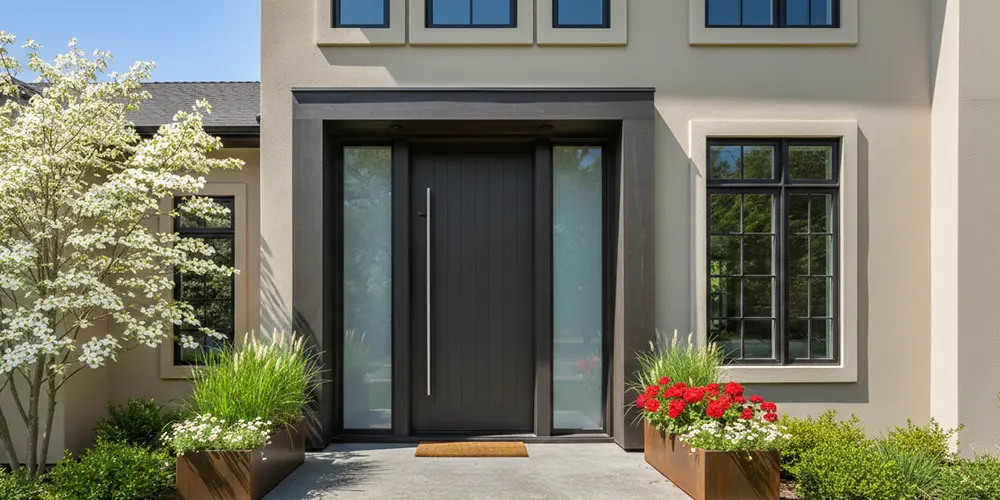
Understanding the full scope of remodeling costs helps you plan realistically and avoid surprise expenses.
Material Choices: Steel doors typically cost less than fiberglass or wood. Solid core interior doors cost more than hollow core. Custom sizes or designs increase prices significantly.
Labor Complexity: Replacing a door in an existing frame runs $300-500. Frame replacement, structural repairs, or opening modifications can double or triple labor costs.
Code Compliance: In Florida’s wind-borne debris regions, meeting impact resistance requirements adds $500-1,000 for entry doors.
Hardware and Trim: High-security locks, smart systems, and premium hardware add value. Factor in trim materials and installation if upgrading molding.
Entry Door Replacement: $1,200-2,000 (basic steel), $2,500-4,000 (mid-range fiberglass with decorative glass), $5,000-10,000+ (custom or impact-rated)
Interior Doors: $600-1,000 per door (hollow core), $1,000-1,500 (solid core), $2,000-3,000+ (solid wood or custom)
Door Frames: $200-400 per opening (wood frame), $400-800 (hollow metal), $1,500-3,000+ (complete entry system with sidelights)
Hardware: $50-150 (basic handleset), $150-300 (quality hardware with deadbolt), $300-600+ (premium or smart locks), $20-80 per door (interior lever sets)
Trim and Molding: $3-6 per linear foot (basic colonial), $6-12 (craftsman/wide profiles), $15-30+ (custom millwork)
These ranges are estimates. Your specific costs depend on your home's configuration, local labor rates, and material selections.
Spring-Specific Door Tips for Florida Homes
Since you’re tackling door projects during spring, keep these seasonal considerations in mind:
Weather Timing: Plan installation for morning or early afternoon. Florida’s spring thunderstorms typically roll in later, and you don’t want your home wide open when the skies open up.
Pollen Protection: Spring means pollen season. Close off rooms under construction with plastic sheeting to keep pollen and dust contained.
Humidity Management: New doors need 48-72 hours to acclimate to Florida’s humidity before installation, especially wood doors. Don’t let contractors install doors straight off the delivery truck.
Trim Painting Weather: Spring’s moderate humidity makes it ideal for painting or staining door trim. The finish dries properly without summer’s extreme moisture affecting cure time.
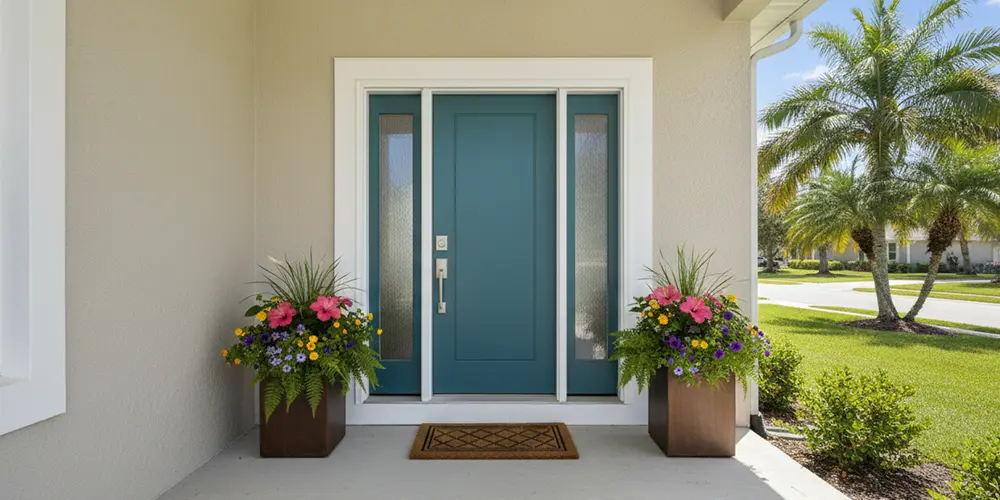
Landscaping Coordination: If you’re doing a front door remodel, coordinate with landscaping updates. Fresh mulch, new plantings, and an updated door create a complete refresh of your home’s entrance.
Your Spring Door Remodeling Action Plan
Ready to get started? Here’s your streamlined approach:
Week 1-2: Assessment and Research Walk through your home listing every door needing attention. Photograph current doors from multiple angles and measure doorways (height, width, thickness). Create a budget with 10-15% buffer for surprises. Browse door styles online, visit showrooms to see materials in person, and get familiar with FBC requirements for your area.
Week 3: Get Quotes and Schedule Contact at least three contractors, ensuring they’re licensed for work in your county. Compare prices, warranties, timelines, and professionalism. Check references and online reviews. Choose your contractor and lock in dates, order any custom items, clear work areas, and notify neighbors if needed.
Installation and Completion Be available for questions and decisions during installation. Inspect work as it progresses, document completion with photos, and request care and maintenance instructions for your new doors.
Final Thoughts
A door remodel might seem like a small project in the grand scheme of home improvements, but it packs an outsized punch. You interact with your doors multiple times every day. Whether it’s the satisfaction of a smooth-closing entry door, the security of upgraded locks, the privacy of solid core bedroom doors, or the pride you feel when guests compliment your front entrance, these upgrades improve daily life in tangible ways.
Spring’s moderate weather, contractor availability, and the natural momentum of seasonal renewal make it the ideal time to tackle these projects. You don’t need to replace every door in your house this spring, but picking one or two high-impact upgrades can refresh your entire home.
Start with the doors you notice most: the squeaky bedroom door that wakes the baby, the front door that’s looking shabby, or those hollow core doors that provide zero privacy. One project leads to visible improvement, which often motivates the next upgrade.
Don’t forget the finishing touches. New hardware transforms old doors, fresh trim creates polish, and properly maintained frames ensure everything operates smoothly for years to come.
Ready to get started on your spring door remodel? The weather’s perfect, the timing’s right, and your home’s entryways are waiting for their refresh. Let’s make this spring the season your doors finally get the attention they deserve.
Frequently Asked Questions
Front door remodeling costs range from $1,200 to $4,000 for most homeowners, including materials and professional installation. Basic steel doors at standard sizes fall on the lower end, while custom fiberglass or wood doors with decorative glass and premium hardware reach the higher range. In Central Florida, impact-rated doors meeting FBC requirements may add $500-1,000 to the base cost but provide essential storm protection.
Yes, spring offers ideal conditions for door remodeling in Florida. The moderate temperatures allow materials to acclimate properly, sealants cure correctly, and you avoid summer's intense heat and afternoon thunderstorms. Contractors typically have better availability before peak summer season, potentially resulting in faster scheduling and more competitive pricing. Spring's humidity levels are also perfect for paint and stain finishes to cure properly.
Look for contractors licensed and insured in your specific county, with experience meeting Florida Building Code requirements. They should provide detailed written estimates, pull necessary permits, and demonstrate knowledge of impact ratings and FLPA certifications. Ask for references, check online reviews, and verify they understand local wind-borne debris region requirements for Central Florida installations. A quality contractor will explain material options, show examples of previous work, and provide realistic timelines.
A single front door replacement usually takes 4-6 hours for professional installation. Multiple interior doors might take a full day, depending on how many rooms you're updating. Projects requiring frame repairs, structural modifications, or custom trim work will extend these timelines. Spring weather in Florida can occasionally cause delays if afternoon storms interrupt outdoor work, so build in some flexibility when planning your project schedule.
Most door replacements in Orange County and surrounding Central Florida areas require permits, especially for exterior doors. Any work affecting your home's structure, changing door sizes, or installing impact-rated products typically needs permitting and inspection. Reputable contractors handle permit applications as part of their service and understand local FBC compliance requirements. Interior door replacements in existing openings may not always require permits, but it's best to verify with your local building department.
Hollow core doors feature a thin outer shell with cardboard honeycomb interior, making them lightweight and budget-friendly ($50-150). They provide minimal sound insulation and feel flimsy. Solid core doors contain solid material or dense composite throughout ($150-300), offering substantial weight, better sound dampening, and more durability. For bedrooms and bathrooms where privacy matters, solid core doors make a noticeable difference. If you can hear conversations clearly through your current doors, upgrading to solid core will significantly improve privacy.
Yes, if your existing frame is in good condition, level, and undamaged. Pre-hung doors (door already mounted in frame) are easier to install and ensure proper operation, but they do require removing the old frame. Slab-only replacements save money and preserve existing frames but require precise measurements and carpentry skills to hang correctly. In Florida's humid climate, inspect frames carefully for rot, termite damage, or warping before deciding to reuse them. If the frame shows any compromise, replacing both together ensures proper operation and longevity.
Florida homeowners should prioritize impact resistance for exterior doors in wind-borne debris regions, which includes most of Central Florida. Look for products with Florida Product Approval (FLPA) numbers or Miami-Dade NOA certifications. Energy-efficient cores, quality weatherstripping, and materials resistant to humidity are essential. For exterior frames, hollow metal or composite materials resist rot better than standard wood. Multi-point locking systems enhance both security and door integrity during storms. Proper weatherstripping and door sweeps keep out Florida's bugs, humidity, and occasional driving rain.
Absolutely. If you're already investing in new doors, upgrading hardware makes sense both functionally and aesthetically. Old hardware rarely matches new door styles, and it's the perfect opportunity to improve security with modern locking systems. Consider smart locks for convenience, Grade 1 deadbolts for security, and coordinated finishes throughout your home for a cohesive look. The incremental cost of quality hardware during a door remodel is minimal compared to upgrading later, and professional installation ensures everything works correctly from day one.
For Florida's humid climate, consider moisture-resistant materials like PVC, composite, or properly primed MDF trim. PVC trim is ideal for exterior doors and high-humidity areas since it won't rot or warp. For interior applications, pre-primed MDF takes paint beautifully and stays stable. Solid wood trim offers traditional appeal but requires proper sealing and maintenance. Match your trim profile to your home's architectural style - colonial trim works in most homes, craftsman style suits bungalows and traditional homes, while simple profiles complement contemporary designs. Consistency throughout your home creates a polished, intentional appearance.
